


















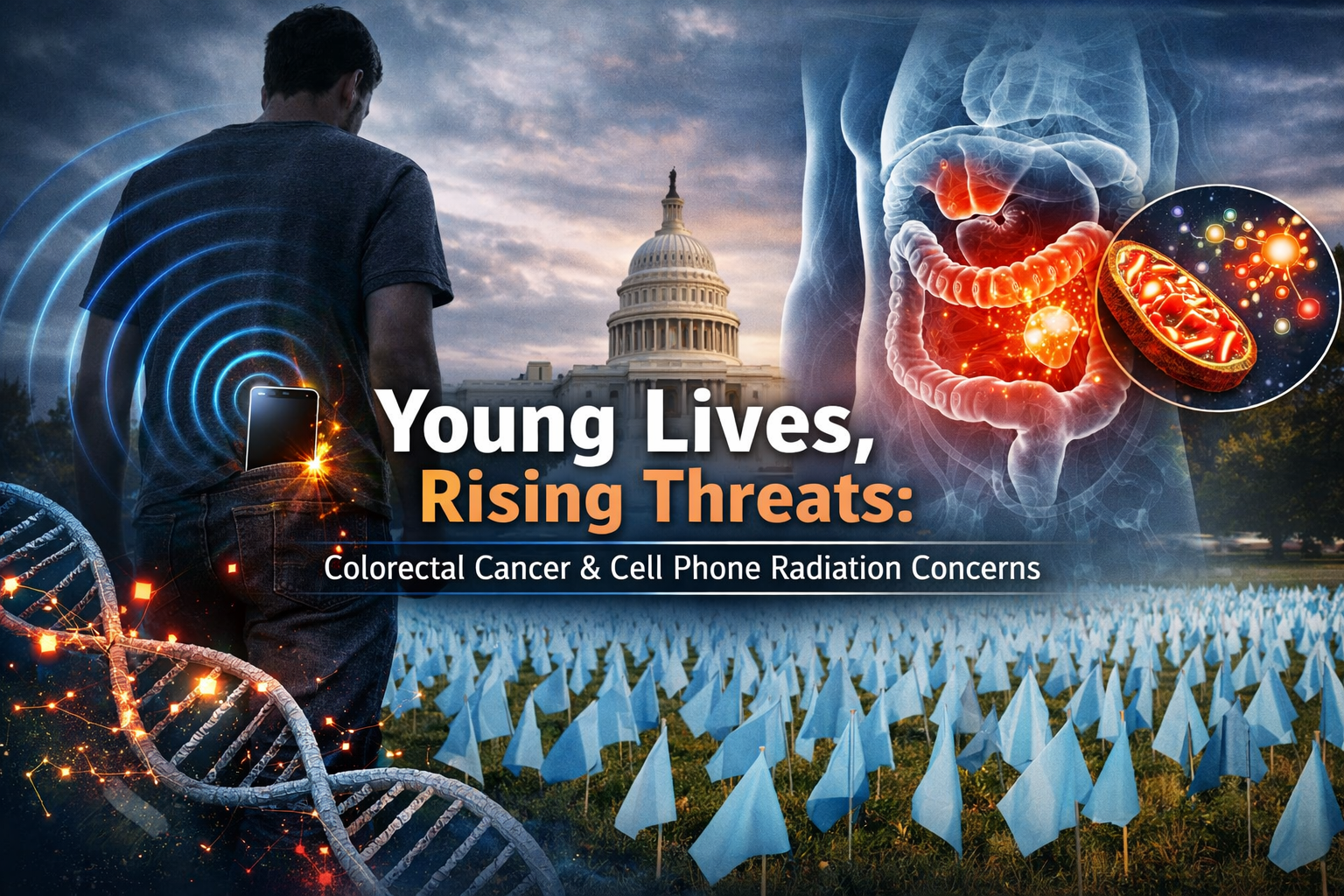


The Wireless Betrayal:
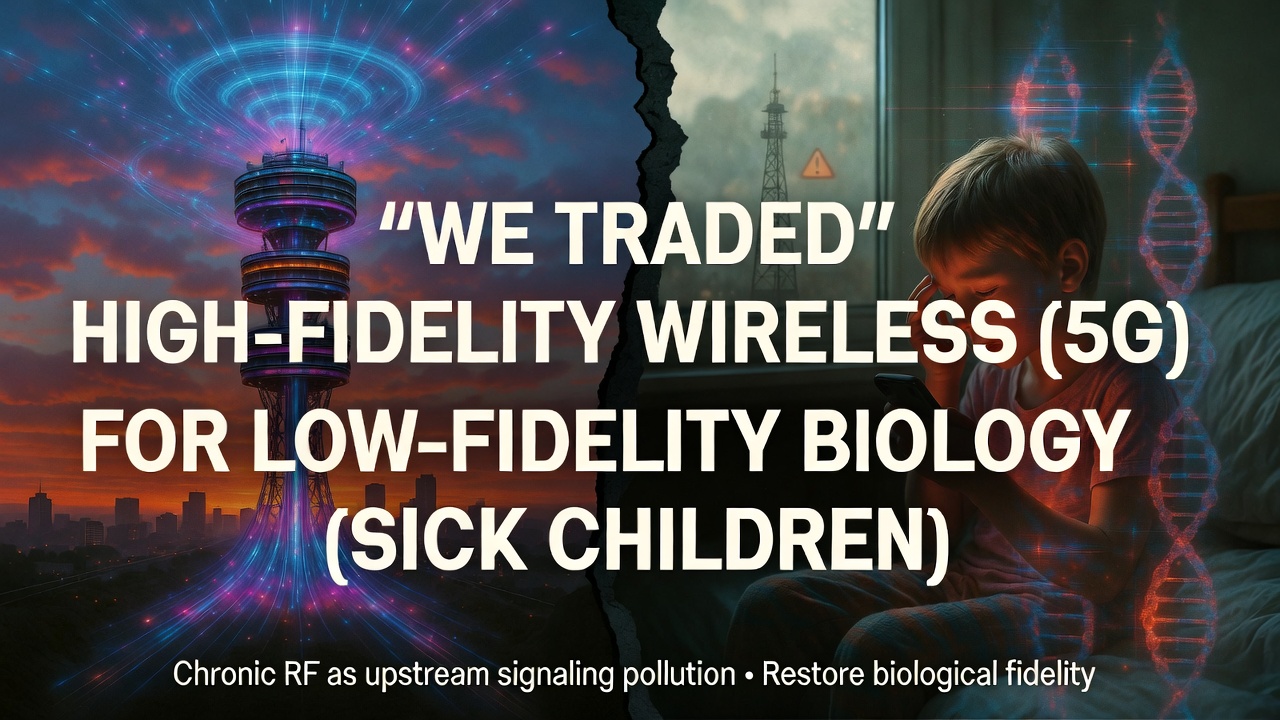
Subtitle: Decades of ignored science, industry influence, and a thermal-only safety model have left children and families exposed to radiofrequency (RF) radiation levels that modern evidence shows can trigger biological harm. With new government actions in 2026 signaling a shift, it's time to put public health first.
Introduction: A Policy Frozen in Time
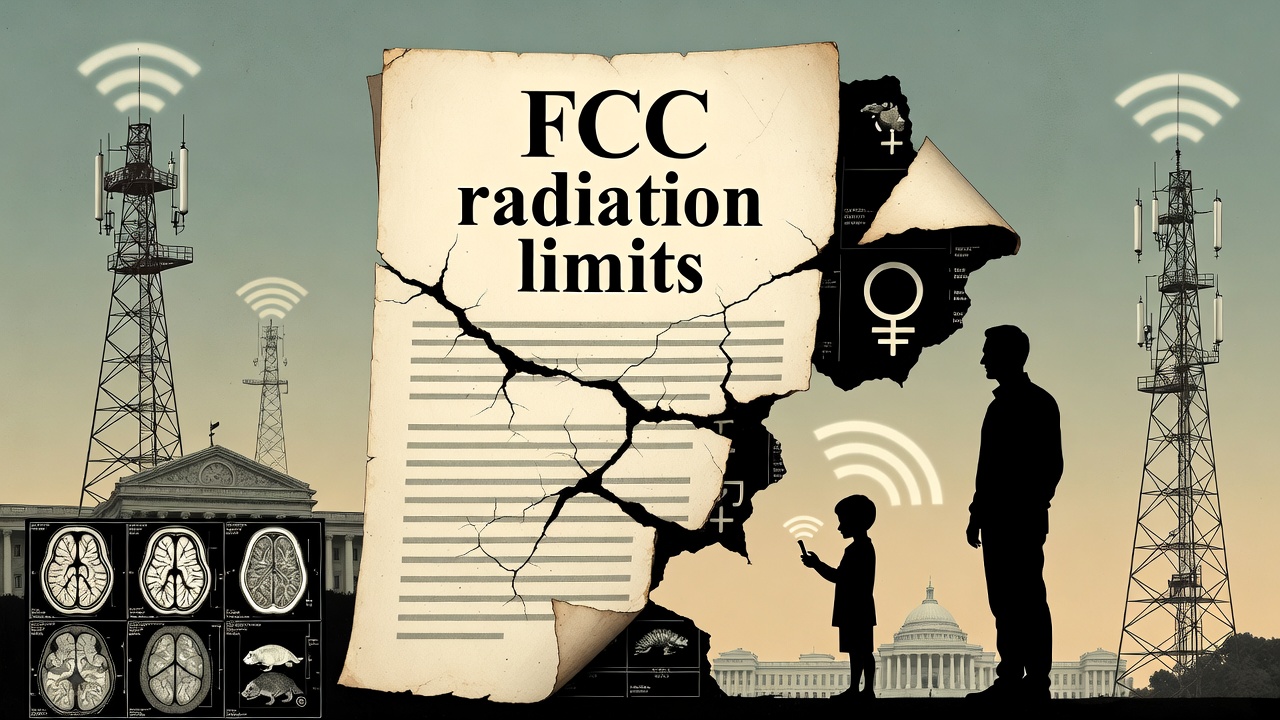
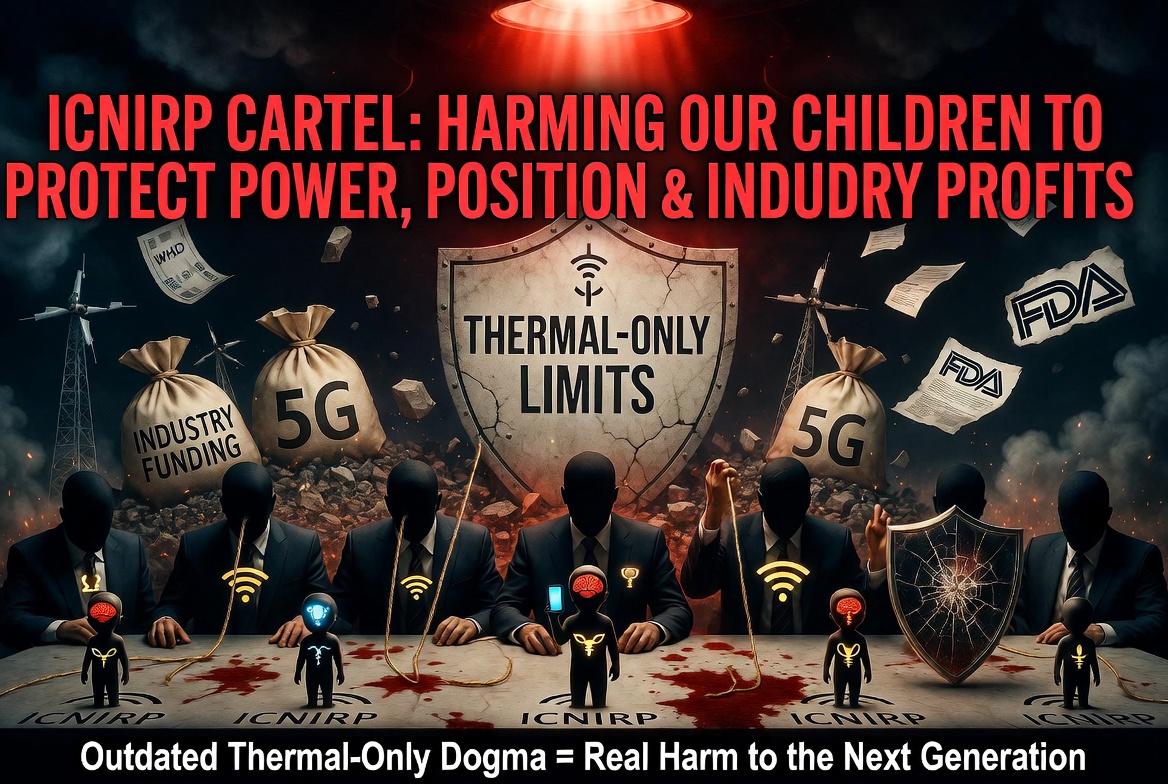
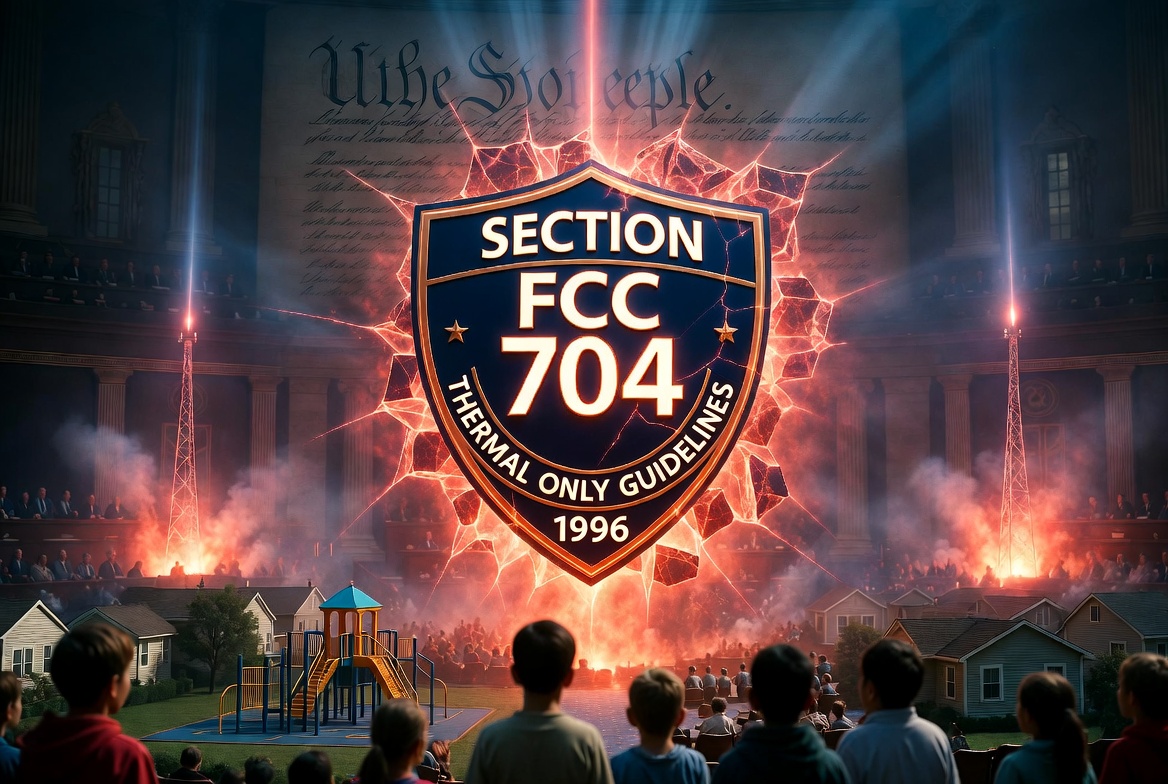
In 1996, Congress passed the Telecommunications Act with a noble goal: rapid deployment of wireless technology. But buried in Section 704 was a profound flaw — it preempted state and local governments from considering health or environmental effects when siting wireless infrastructure, while locking the nation into exposure guidelines based solely on short-term tissue heating.
That thermal-only model, rooted in 1980s research, assumes the only way radiofrequency (RF) radiation can harm the body is by raising its temperature. Today, this assumption is collapsing under the weight of converging evidence from animal studies, mechanistic research, and real-world observations.
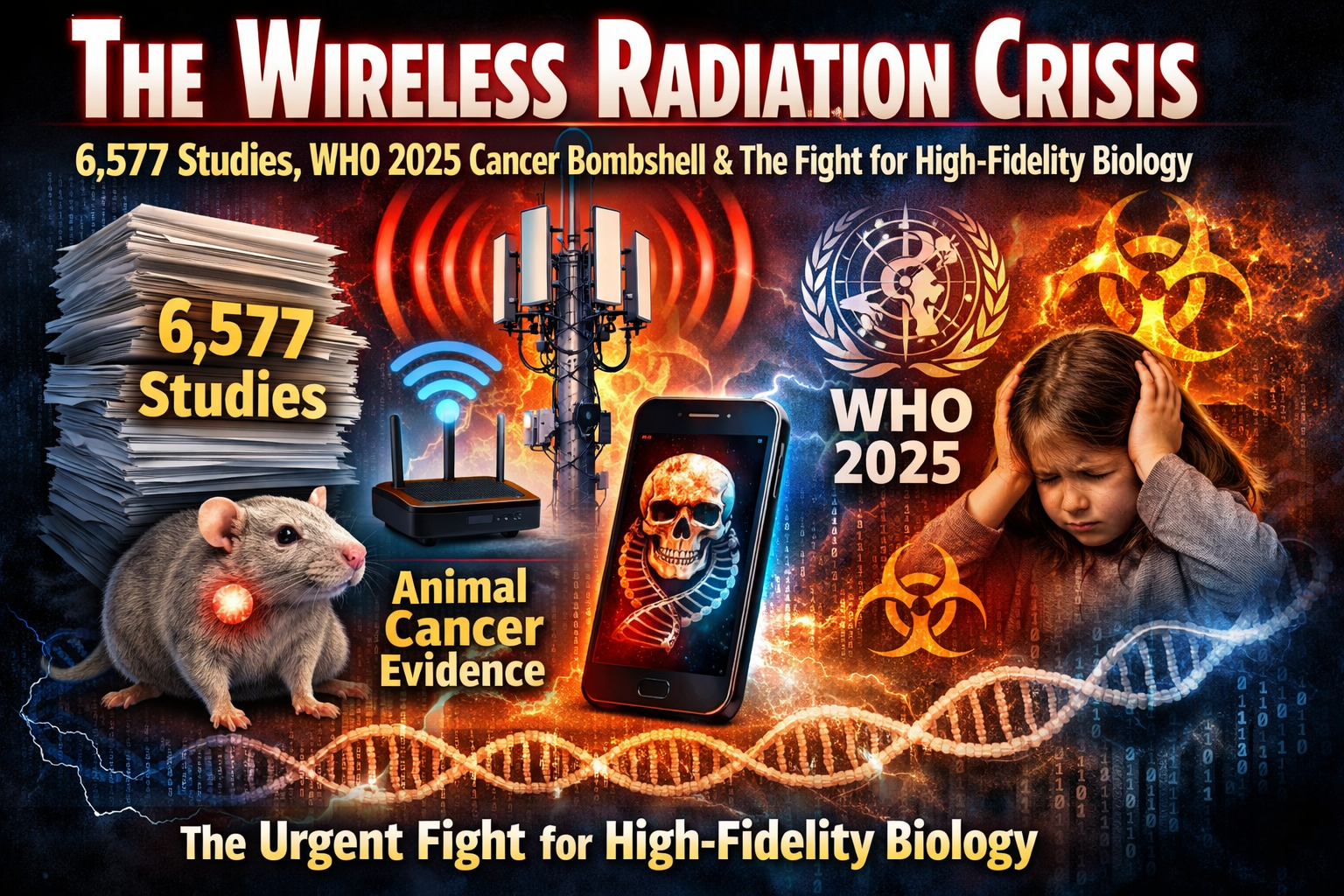
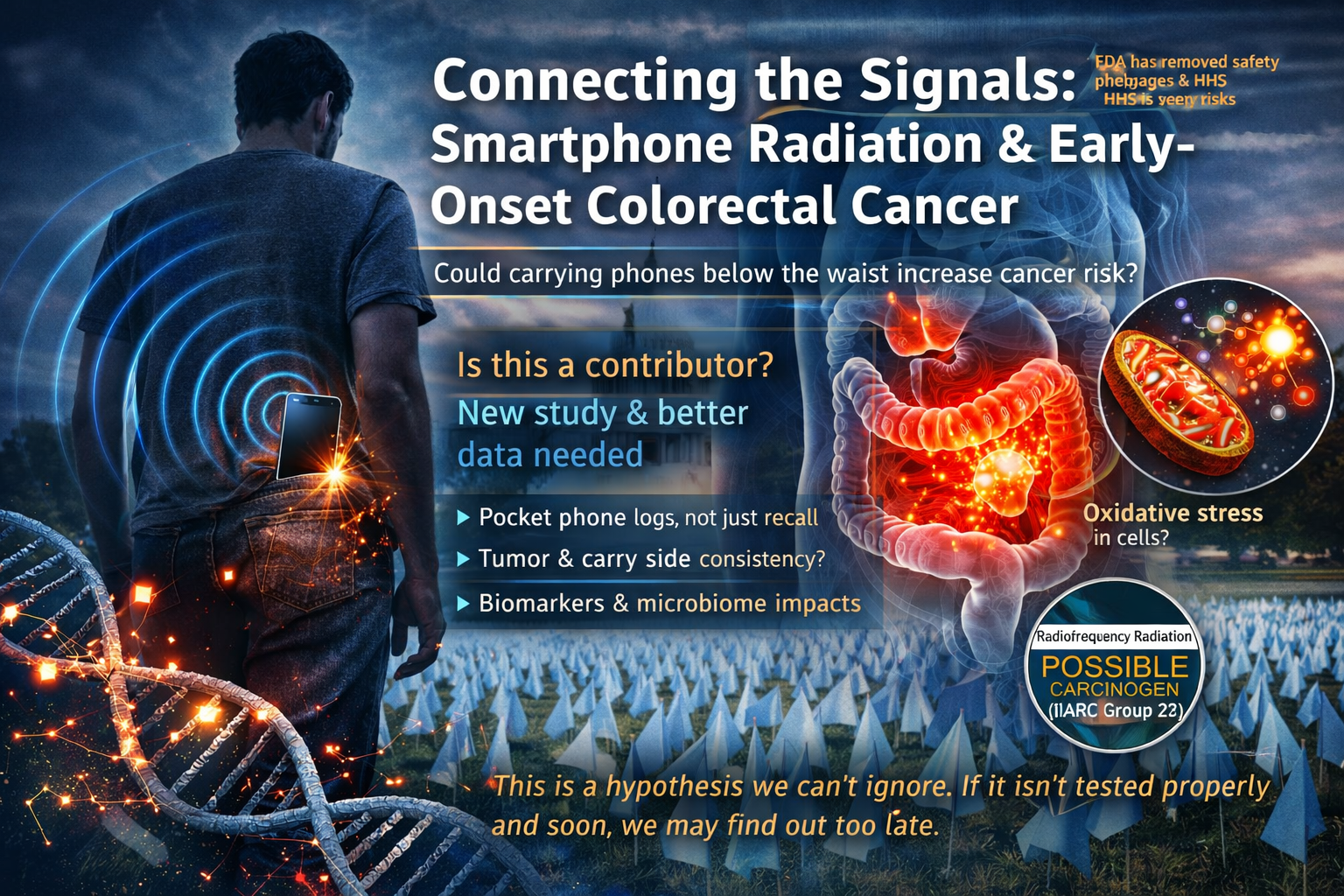
Recent developments underscore the urgency: In early 2026, the U.S. Department of Health and Human Services (HHS) announced a new study on cellphone radiation under Secretary Robert F. Kennedy Jr., while the FDA quietly removed older webpages asserting no credible evidence of harm. These moves follow a 2025 executive order addressing childhood diseases that included electromagnetic radiation as a factor to investigate.
The question is no longer whether non-thermal effects exist. It's why policy has failed to keep pace — and what a biologically informed reset must look like.
1996 Was Not an Innocent Starting Point
Evidence of biological effects from low-level RF predates the 1996 Act by decades:
- In 1962, Allan Frey demonstrated that modulated RF pulses could produce audible sensations in humans without heating tissue.
- By the 1970s, researchers like Bawin and Adey showed weak RF fields altered calcium binding in brain tissue.
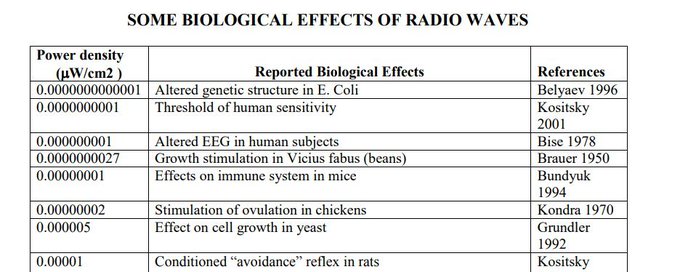
- In the 1990s, Lai and Singh reported DNA strand breaks, while other studies documented modulation-dependent "power-density windows" where effects occurred at specific intensities far below thermal thresholds.
Despite this body of pre-1996 research, the framework that emerged prioritized deployment speed over precaution. Tom Wheeler, then head of the wireless industry association CTIA, later became FCC Chairman and famously declared that "technology should drive policy" rather than the reverse. This philosophy helped embed a system that sidelined emerging science.
Regulatory Capture and the Courtroom Rebuke
The 2021 D.C. Circuit Court ruling in Environmental Health Trust v. FCC exposed the framework's weaknesses. The court found the FCC's 2019 reaffirmation of 1996 limits "arbitrary and capricious" for failing to adequately address:
- Non-cancer effects (reproduction, development, neurology)
- Children's greater vulnerability (they absorb more RF in certain tissues)
- Long-term cumulative exposure
- Pulsed/modulated signals used in modern networks
- Environmental impacts
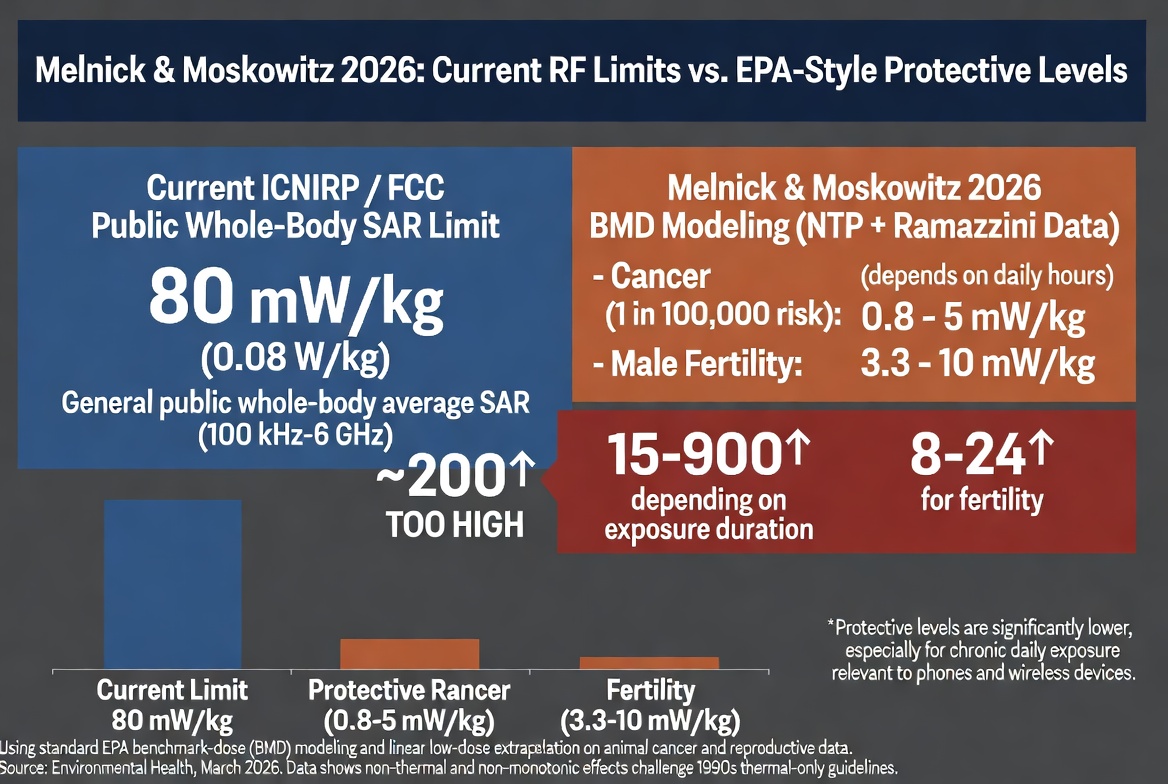
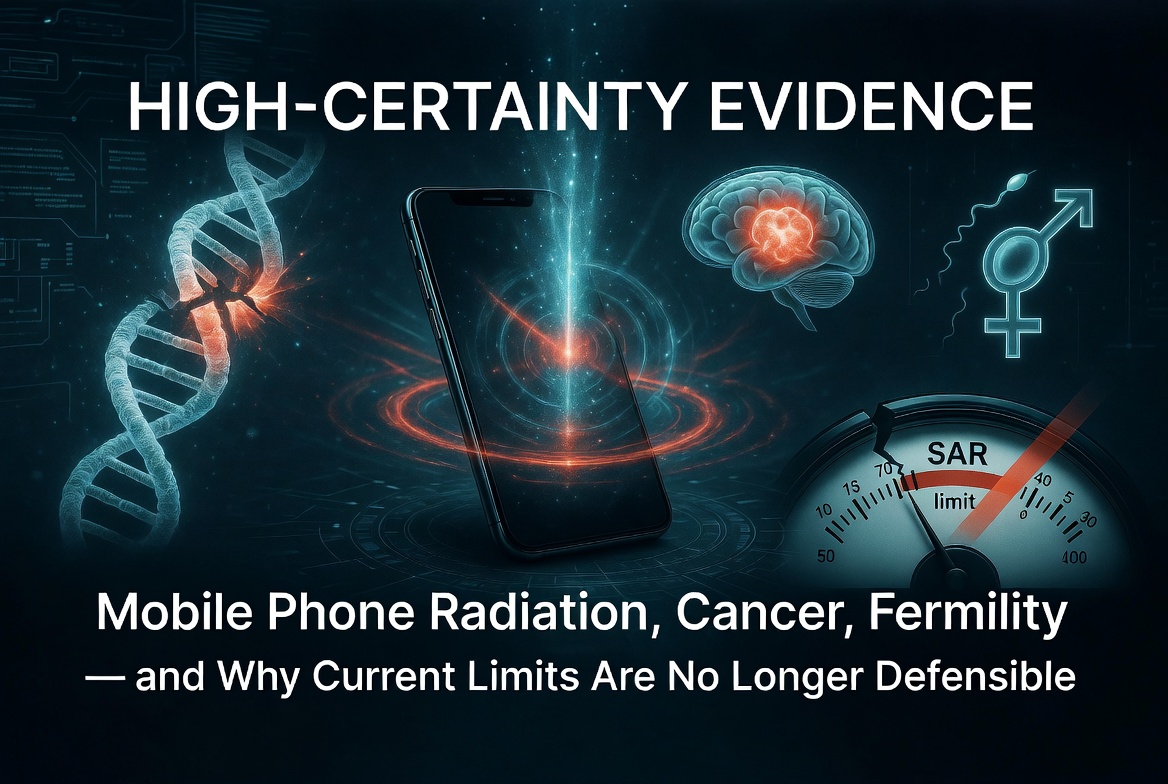
As of 2026, full compliance with that remand remains incomplete. Meanwhile, a 2026 peer-reviewed analysis by Melnick and Moskowitz used EPA-style risk assessment methods on NTP data and concluded that current public limits are 15- to 900-fold too high for acceptable cancer risk (depending on daily exposure duration) and 8- to 24-fold too high to protect male reproductive health.
The Science That Can No Longer Be Ignored
The National Toxicology Program (NTP) studies (finalized 2018, with supporting analyses into 2025) provided "clear evidence" of malignant heart schwannomas in male rats exposed to cellphone-level RF — effects seen without significant heating. Similar tumor types appeared in the Ramazzini Institute's independent study at even lower exposure levels mimicking environmental sources.
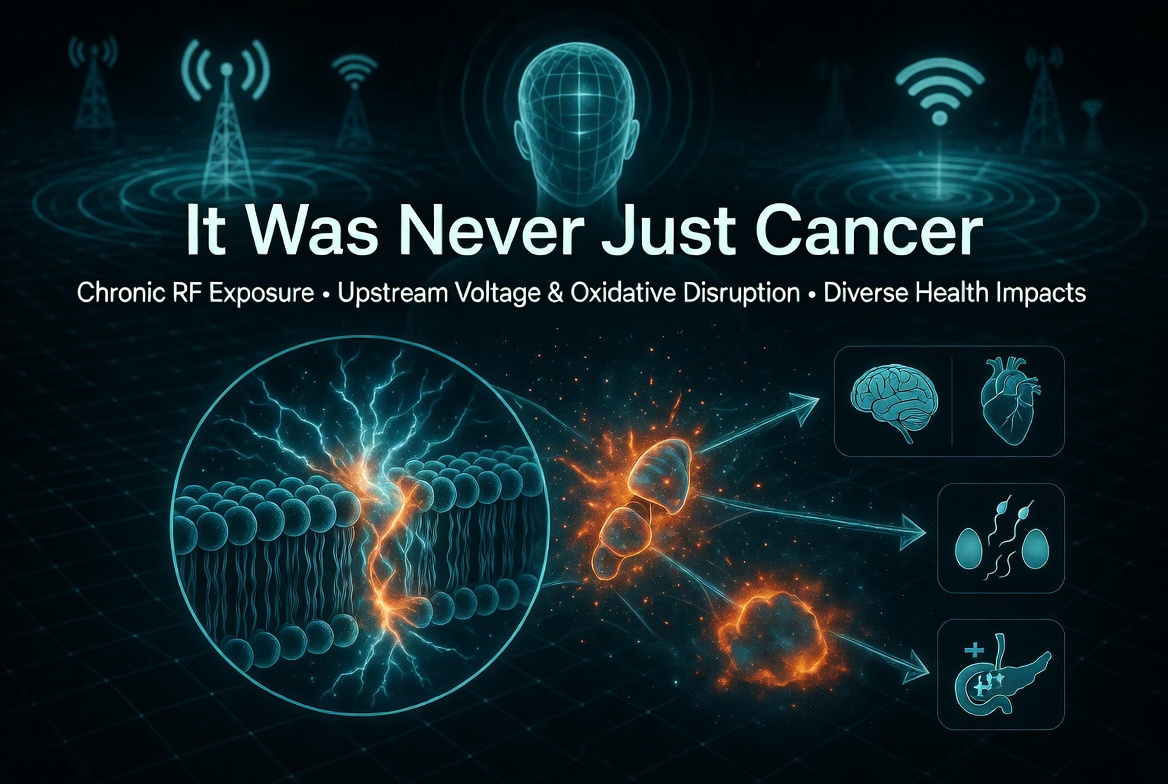
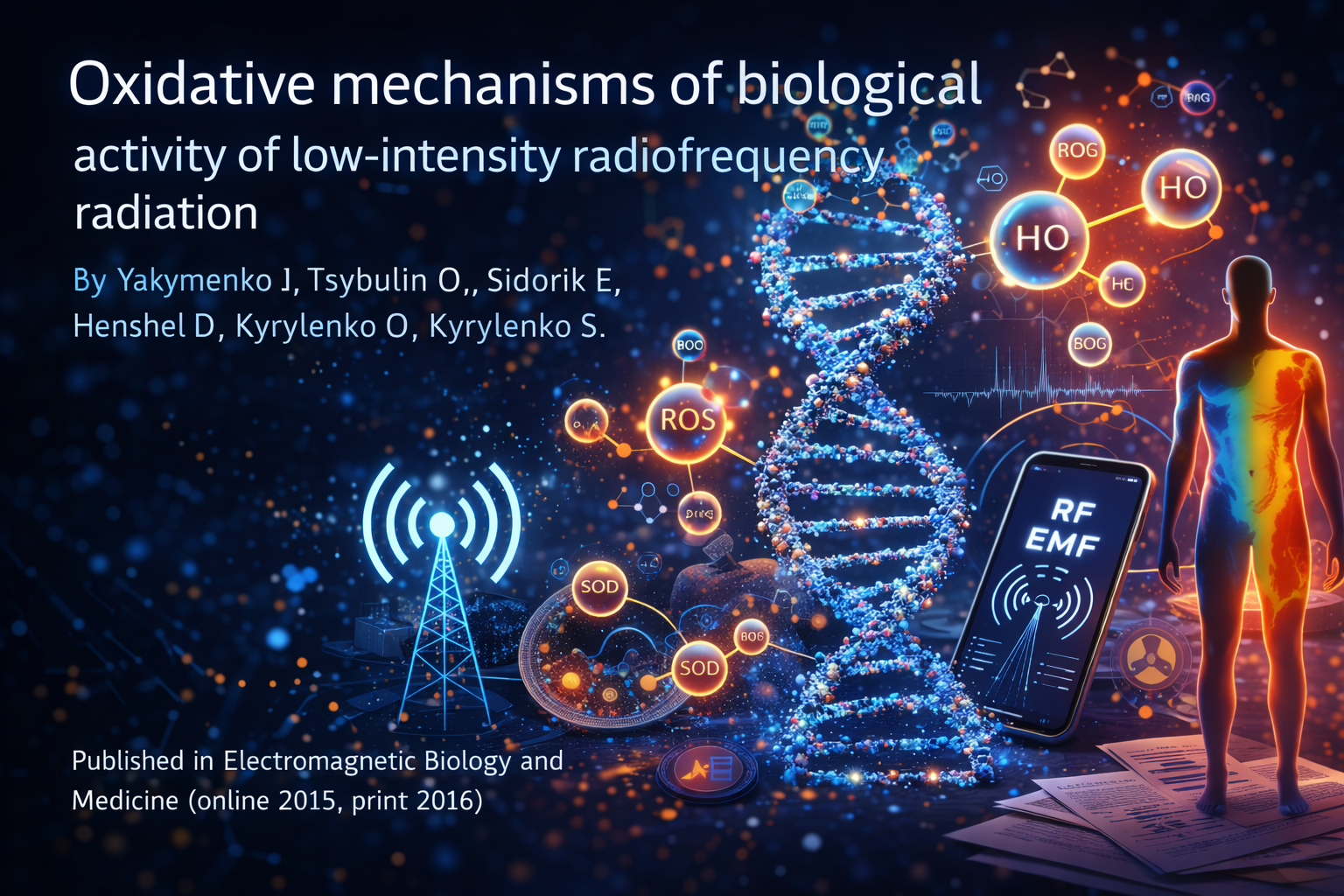
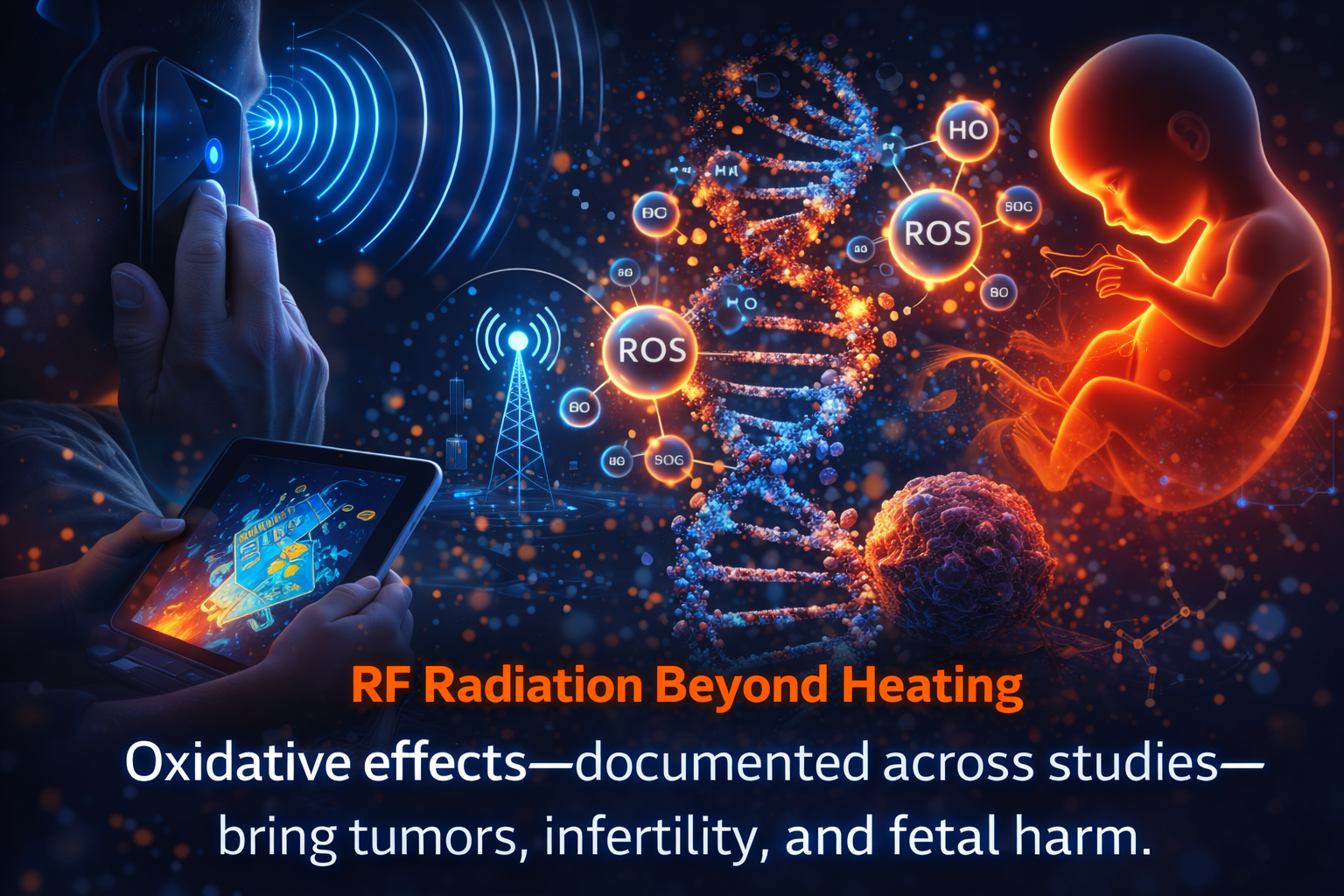
A 2025 systematic review rated high certainty for RF increasing risk of gliomas and schwannomas in rodents, with gene expression overlaps to human tumors. Oxidative stress appeared in 93–95% of relevant studies. Mechanisms now point upstream:
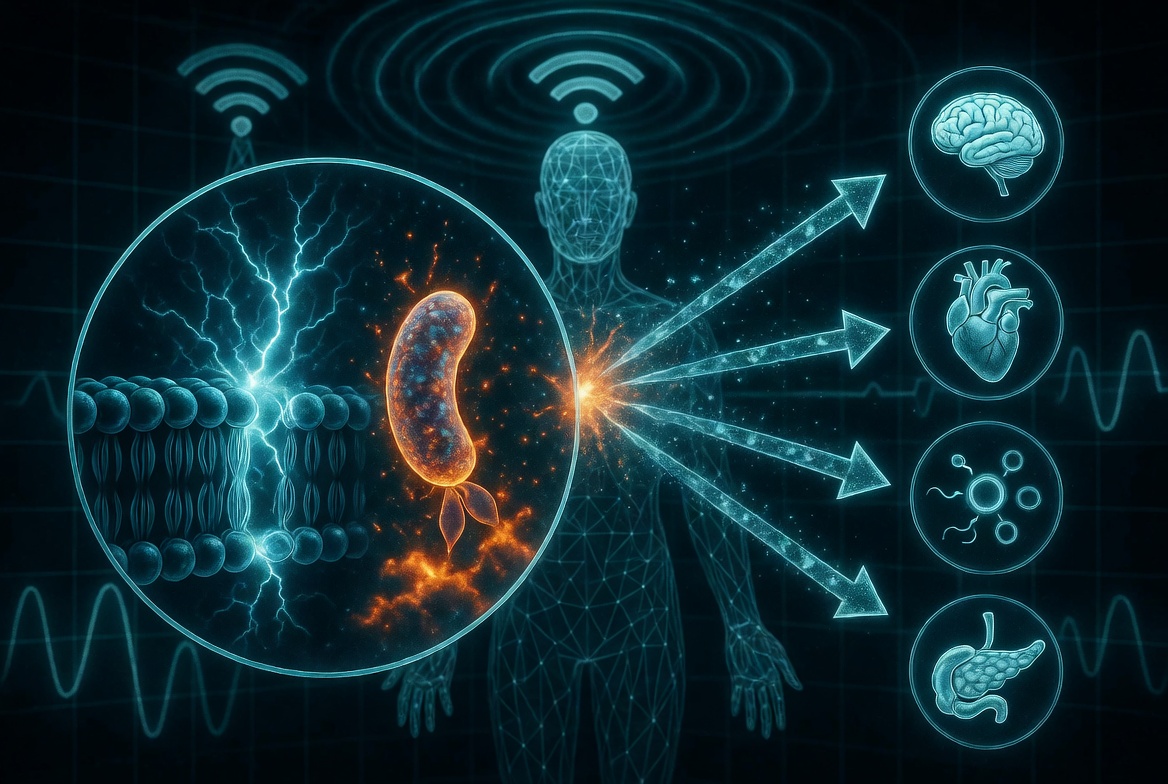
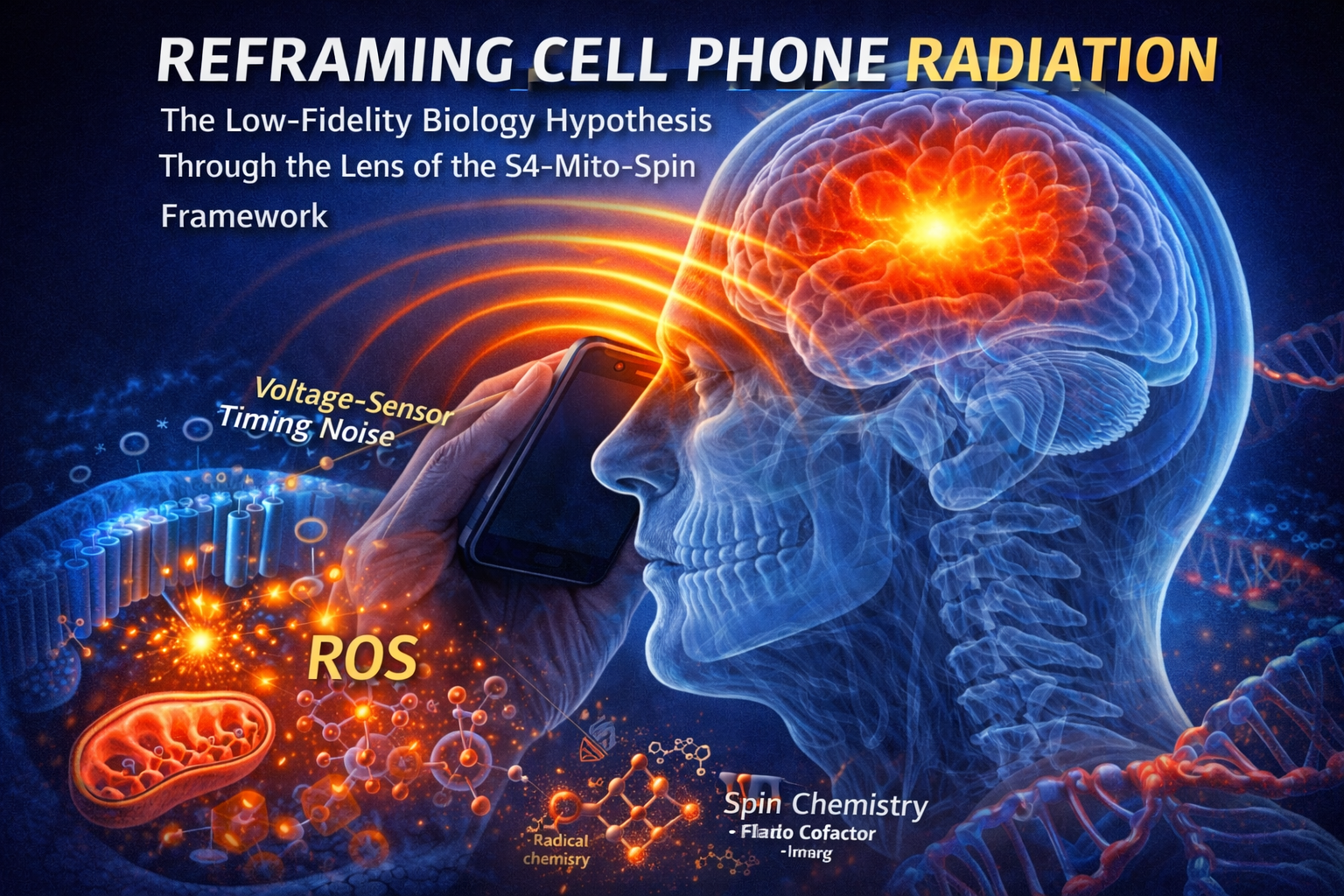
- Voltage-gated calcium channels (VGCC) — RF can disrupt calcium signaling, triggering downstream cascades linked to oxidative stress, inflammation, and DNA damage.
- Mitochondrial dysfunction — Interference with cellular energy production and free radical generation.
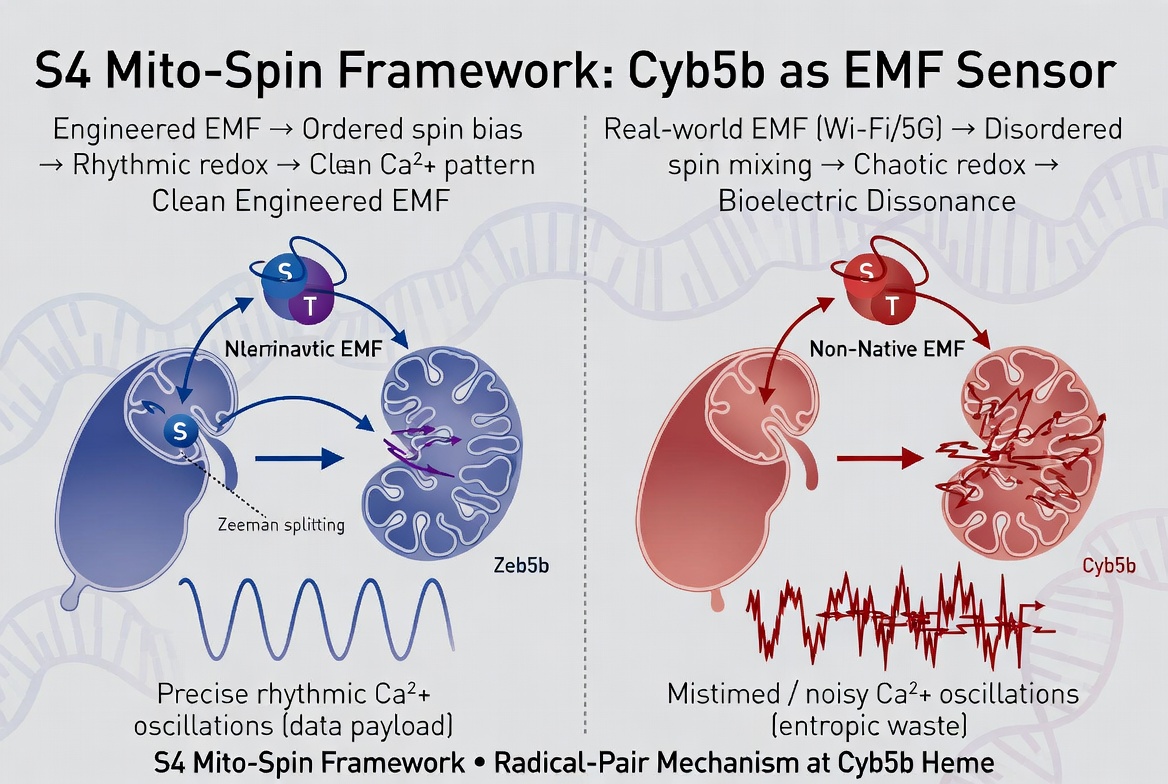
- S4–Mito–Spin pathways — Proposed models linking weak fields to spin-state changes in radical pairs, affecting biochemical fidelity.
These effects are nonlinear and can occur at intensities well below current limits. Animal data also show reduced fertility (high certainty after 2025 corrigendum), developmental changes (e.g., hyperactivity and memory deficits in prenatally exposed mice), and metabolic shifts (increased brain glucose uptake and caloric intake).
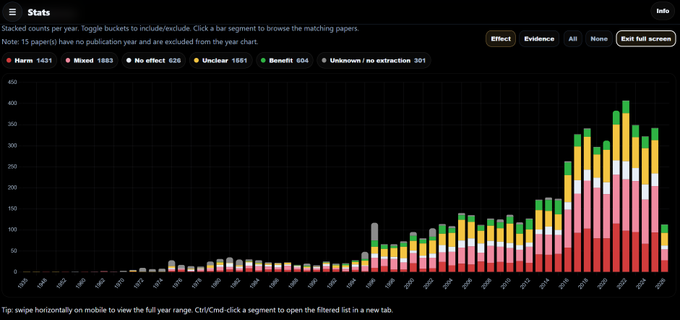
Human epidemiological signals remain mixed but include concerns over heavy use and certain tumor types, alongside pregnancy outcome associations in some cohorts. The FDA's approval of the TheraBionic device — which uses non-thermal RF to treat liver cancer via calcium channel modulation — further demonstrates that RF can produce targeted biological effects without heating.
Children face amplified risk: Dosimetry studies show 2–3 times higher absorption in some brain regions, and their developing systems are more sensitive to disruptions in calcium signaling and oxidative balance.
This Was Never Just About Cancer
RF exposure has been linked in research to broader disruptions:
- Reproductive toxicity
- Neurodevelopmental changes
- Metabolic and immune effects
- Potential synergies with other environmental stressors
Wildlife and ecosystem studies add another layer, with documented impacts on insects, birds, and plants at environmental levels.
The Path Forward: A Biological Fidelity Reset
The 1996 Act's preemption clause must be revisited or amended to restore local authority over health considerations near schools, homes, and sensitive sites.
Leadership should shift toward HHS and FDA, which hold explicit authority under 21 U.S.C. § 360ii to protect the public from electronic product radiation. A new framework — sometimes called a "Biological Fidelity Act" approach — would require:
- Child-specific and cumulative exposure models
- Evaluation of modulation/pulsation effects
- Pre- and post-market biological testing
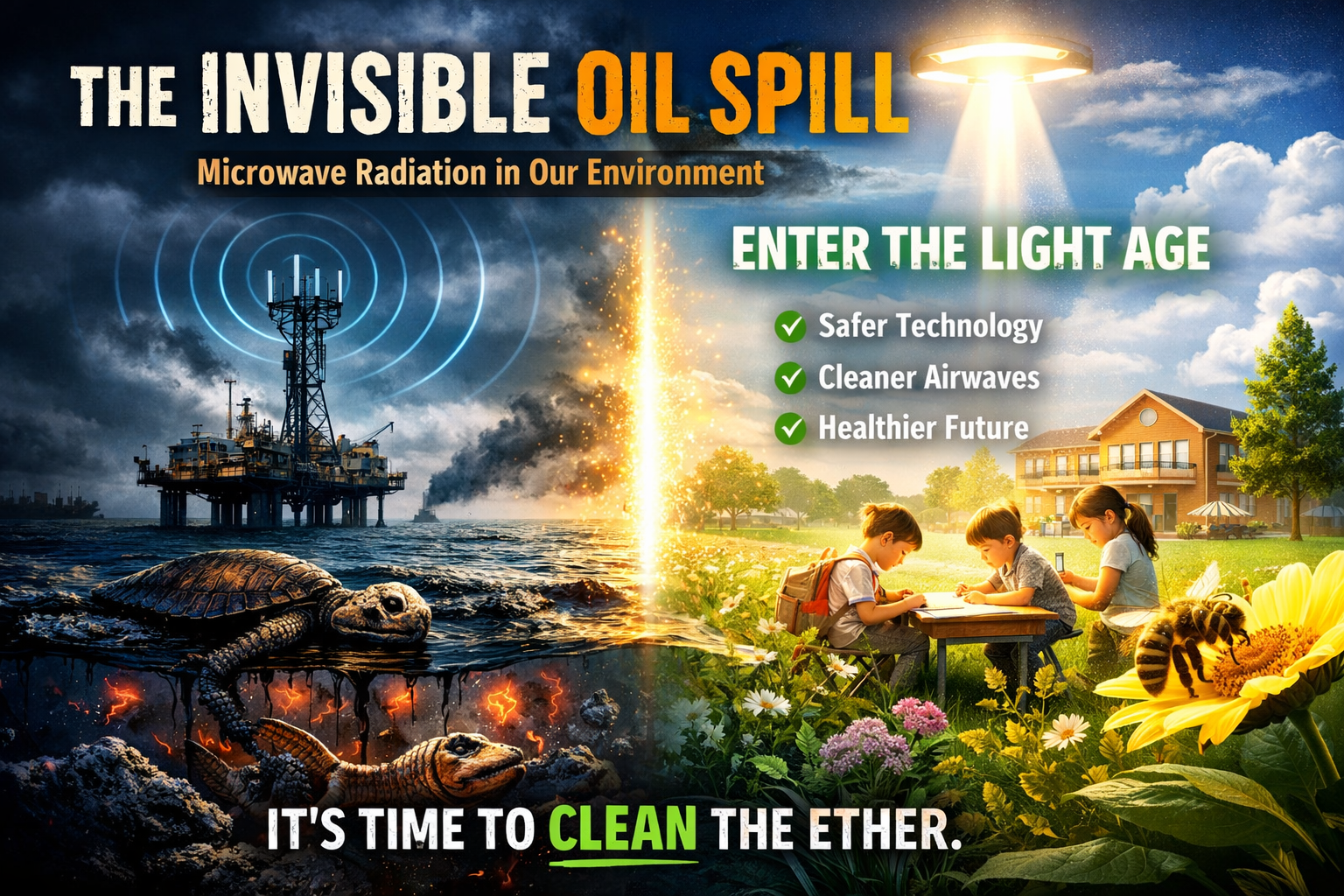
- Prioritization of wired or light-based alternatives (e.g., Li-Fi per IEEE 802.11bb) for indoor spaces like schools and homes
- Transparent, independent reassessment of limits using modern risk-assessment methods
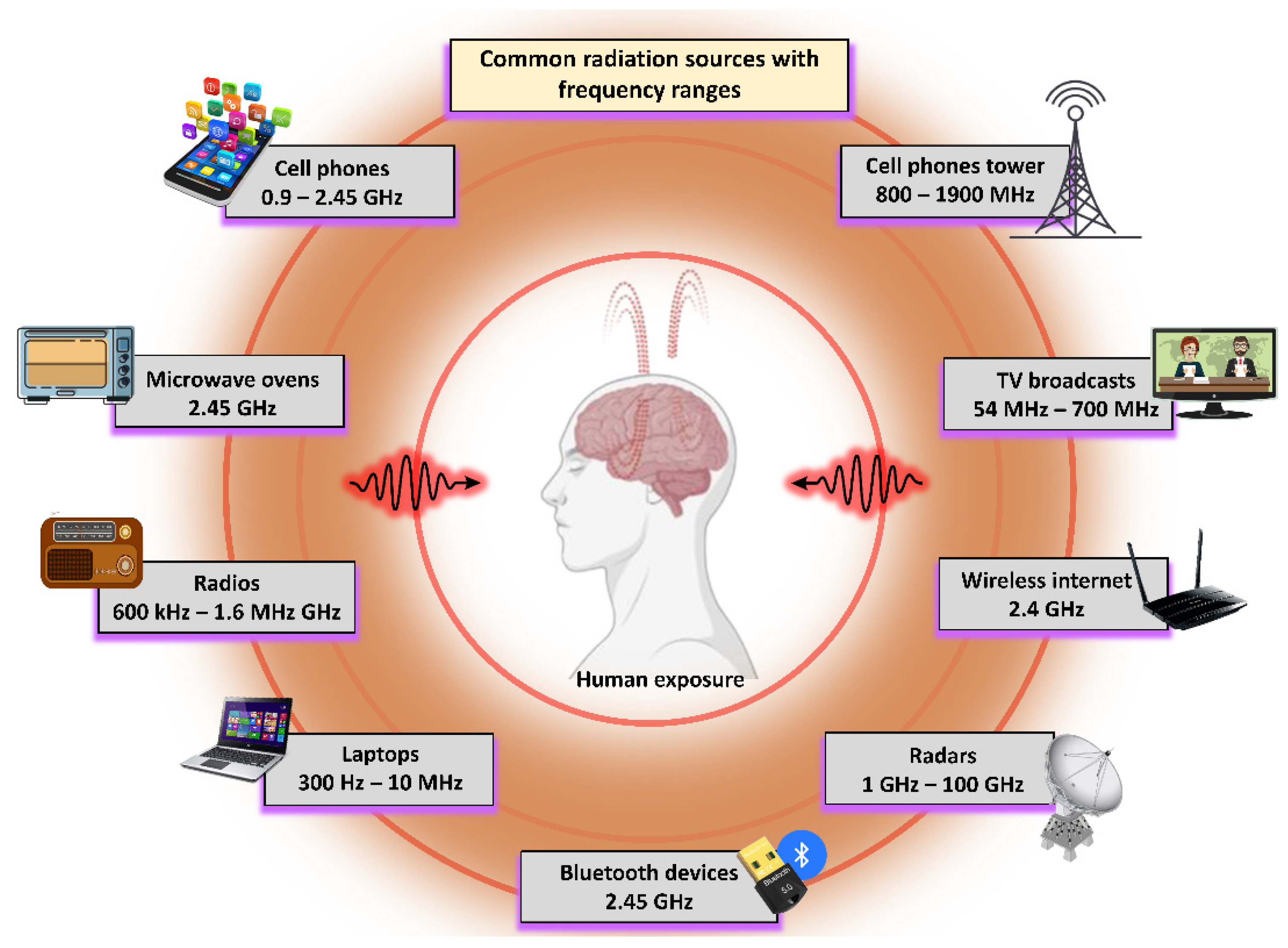
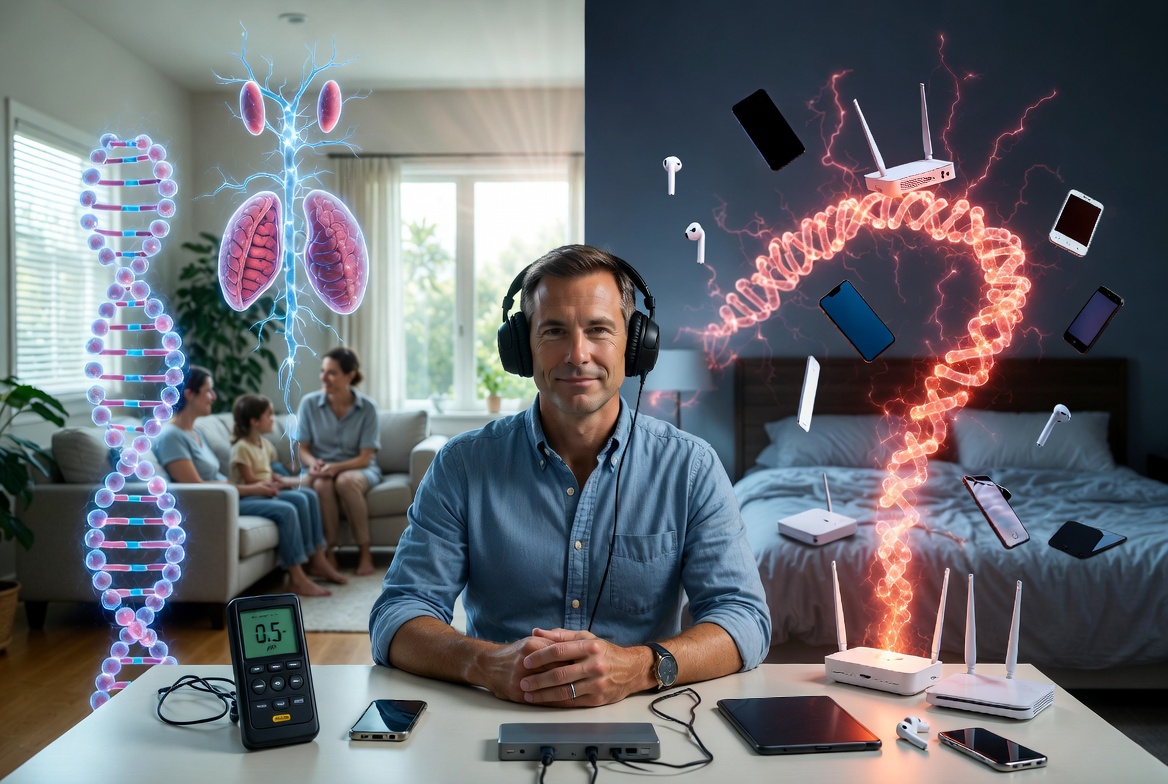
Practical steps for families today include using speakerphone or wired headsets, keeping devices away from the body (especially during sleep), preferring wired internet where possible, and supporting policy changes that favor health-protective infrastructure.
Conclusion: From Betrayal to Accountability
The wireless revolution has delivered immense benefits in connectivity and innovation. But those gains cannot come at the expense of biological integrity — especially for children who will live with these exposures longest.
The events of 2025–2026 — including HHS actions, FDA page revisions, and ongoing court pressure — represent a long-overdue opening. Policymakers now have the opportunity to replace a technology-first model with one grounded in 21st-century science: one that respects non-thermal mechanisms, protects the vulnerable, and integrates safer design principles from the start.
America's children deserve more than a 1996 heat model. They deserve policy that puts their long-term health and developmental potential first.
Call to Action: Contact your representatives to support updates to the 1996 Telecommunications Act. Demand independent review of RF exposure limits. Choose wired solutions indoors whenever feasible. Stay informed — the science is evolving, and so must our safeguards.
References available upon request or via linked primary sources (NTP reports, Ramazzini studies, Melnick-Moskowitz 2026 analysis, D.C. Circuit ruling, etc.). This article synthesizes publicly available research and policy documents as of April 2026.