



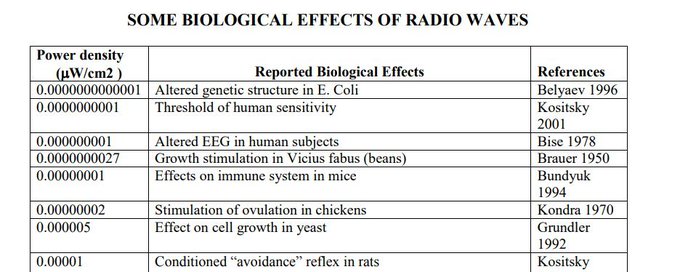
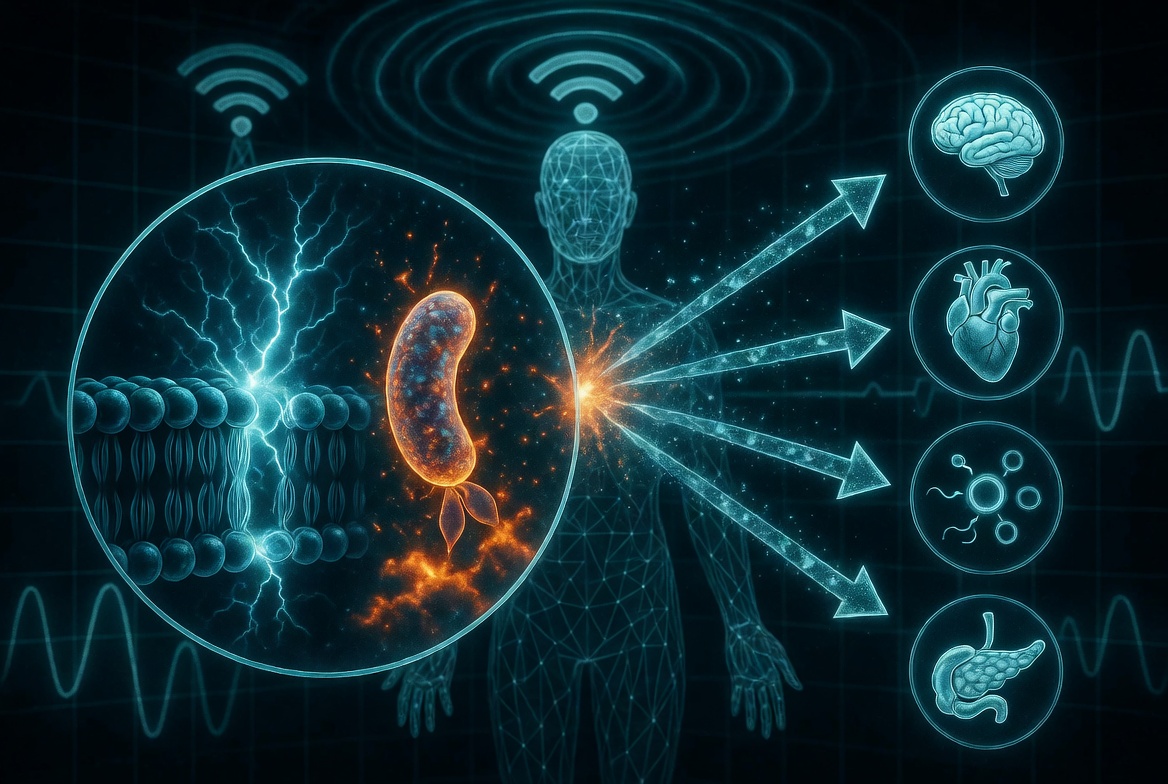










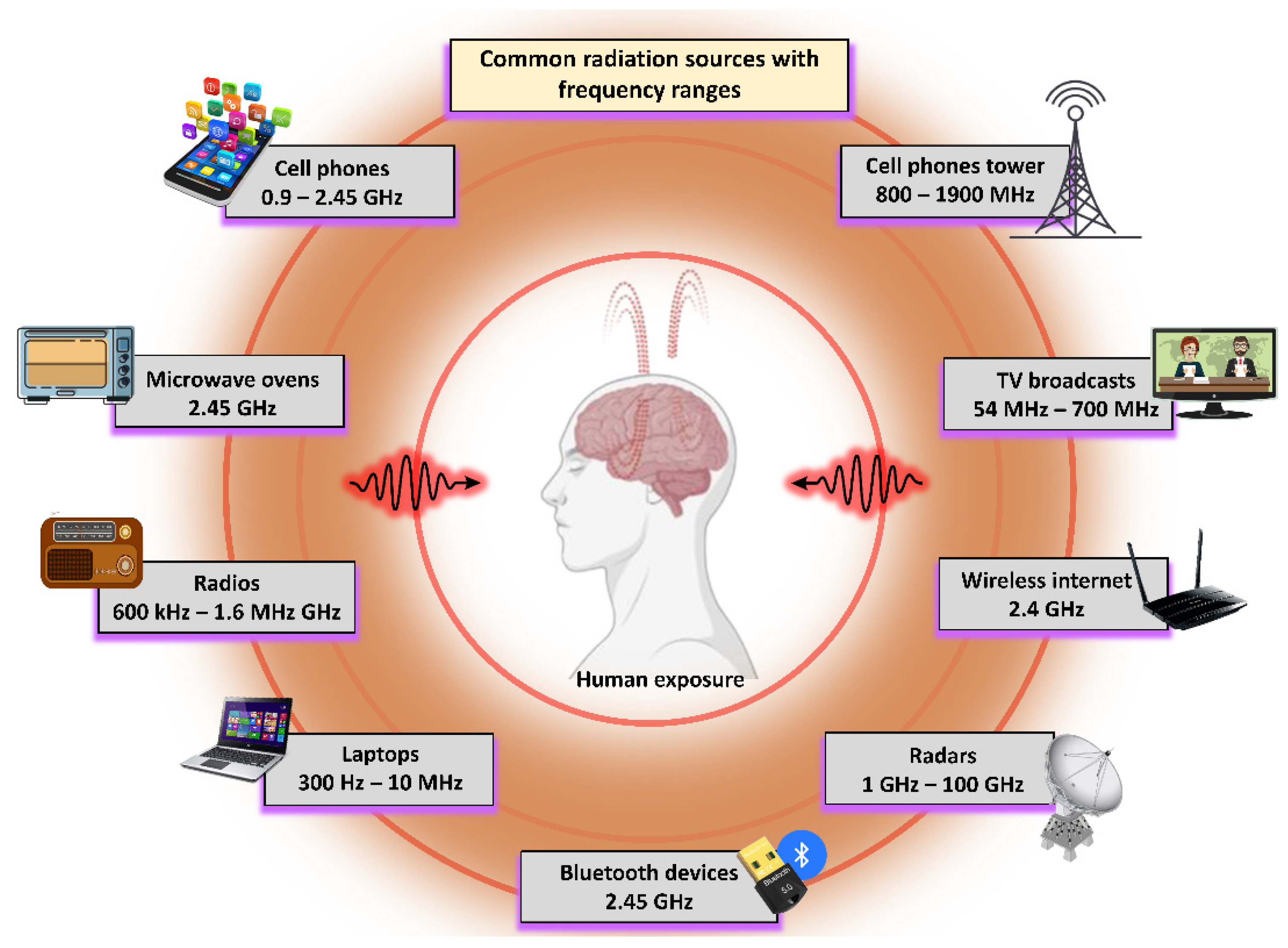




















In the intricate dance of biological systems, chaos theory offers a powerful lens for understanding non-thermal electromagnetic field (EMF) effects. The butterfly effect, a hallmark of chaos theory, illustrates how tiny upstream perturbations, like those from pulsed RF signals in cell phones or Wi-Fi, can amplify through nonlinear biological networks into significant downstream health vulnerabilities. This concept explains why chronic low-level EMF exposures evade traditional epidemiology while aligning perfectly with patterns in mechanistic and animal research.
Chaos Theory and the Butterfly Effect Explained
Two Lorenz orbits, one blue and one yellow, displaying the characteristic butterfly wing shape of the Lorenz attractor.
Chaos theory describes deterministic systems governed by fixed rules yet profoundly sensitive to initial conditions. A minuscule change, a butterfly flapping its wings in Brazil, can cascade through nonlinear interactions to alter a tornado's path in Texas weeks later. Popularized by meteorologist Edward Lorenz, this sensitivity arises in complex systems with feedback loops, where small inputs diverge exponentially into unpredictable outcomes.
Biological systems epitomize such chaos: redox signaling, calcium fluxes, mitochondrial dynamics, and morphogenetic processes form dense feedback webs. Unlike linear dose-response models, chaotic biology amplifies subtle disruptions unpredictably, depending on timing, genetics, and co-exposures.
Lorenz attractor orbits visualize this divergence: nearby starting points rapidly separate, much like bioelectrical signals perturbed by non-native EMFs veering toward cellular stress or developmental errors.
Applying Chaos to EMF-Biological Interactions
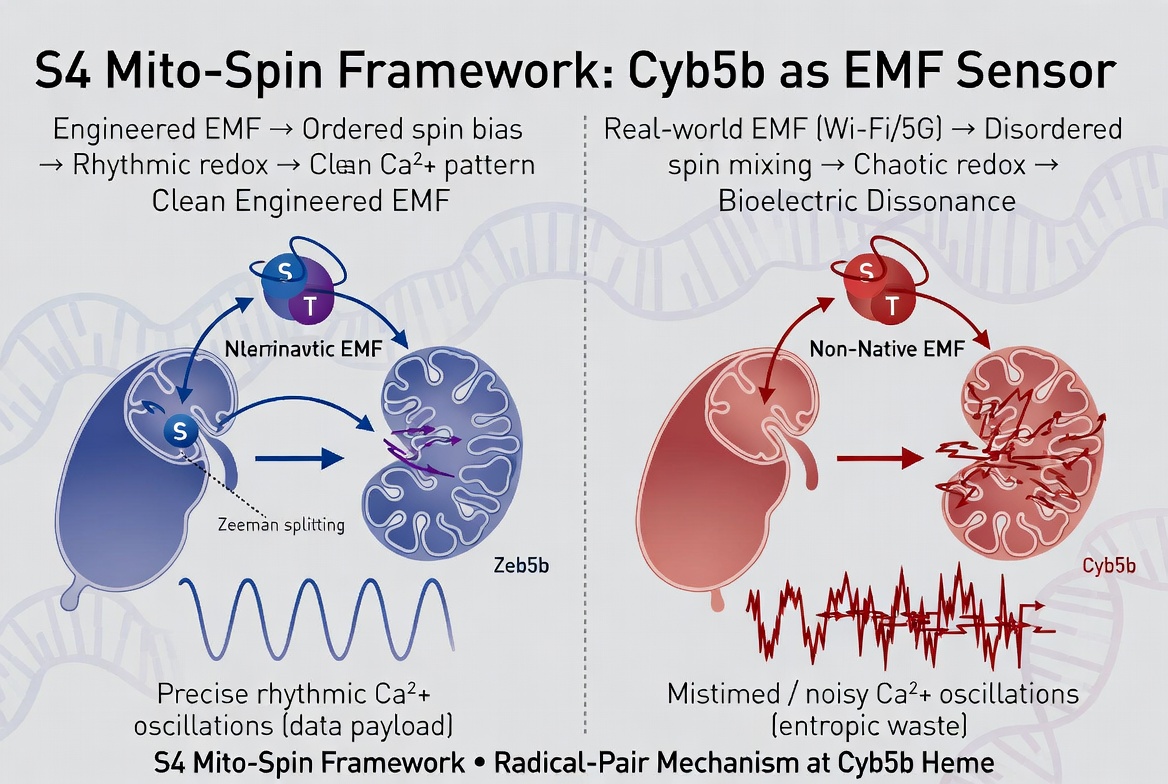
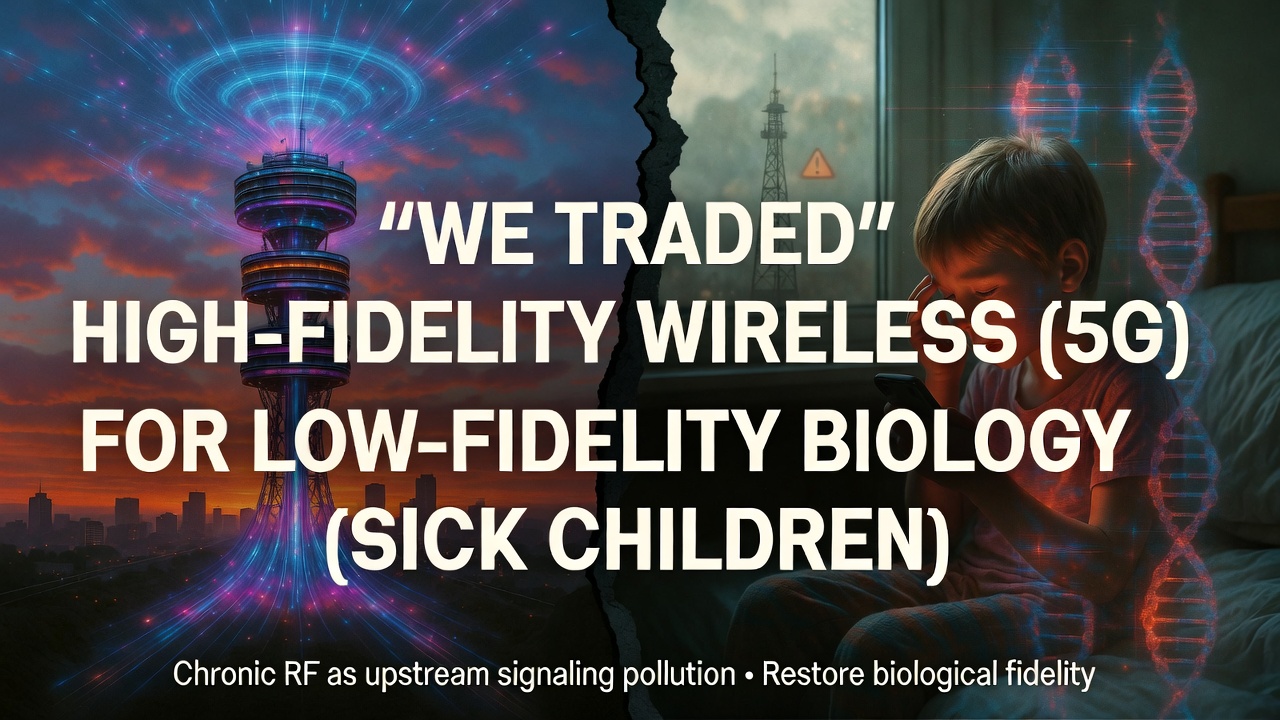
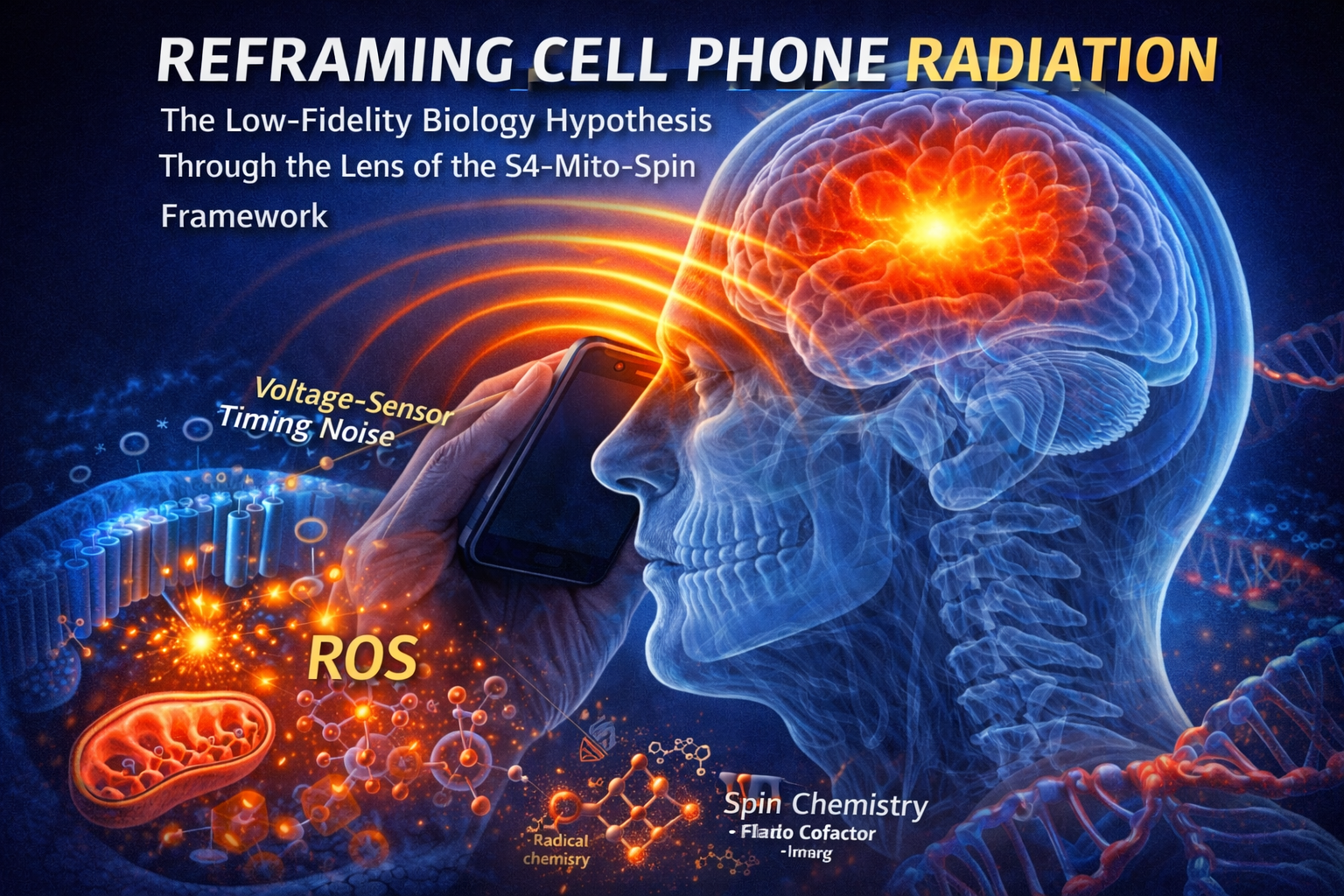
Non-native, pulsed EMFs introduce low-fidelity noise into high-fidelity bioelectrical communication, coherent spin dynamics in mitochondria, structured water interfaces (S4 structures), and membrane potentials. These "wing flaps" manifest as:
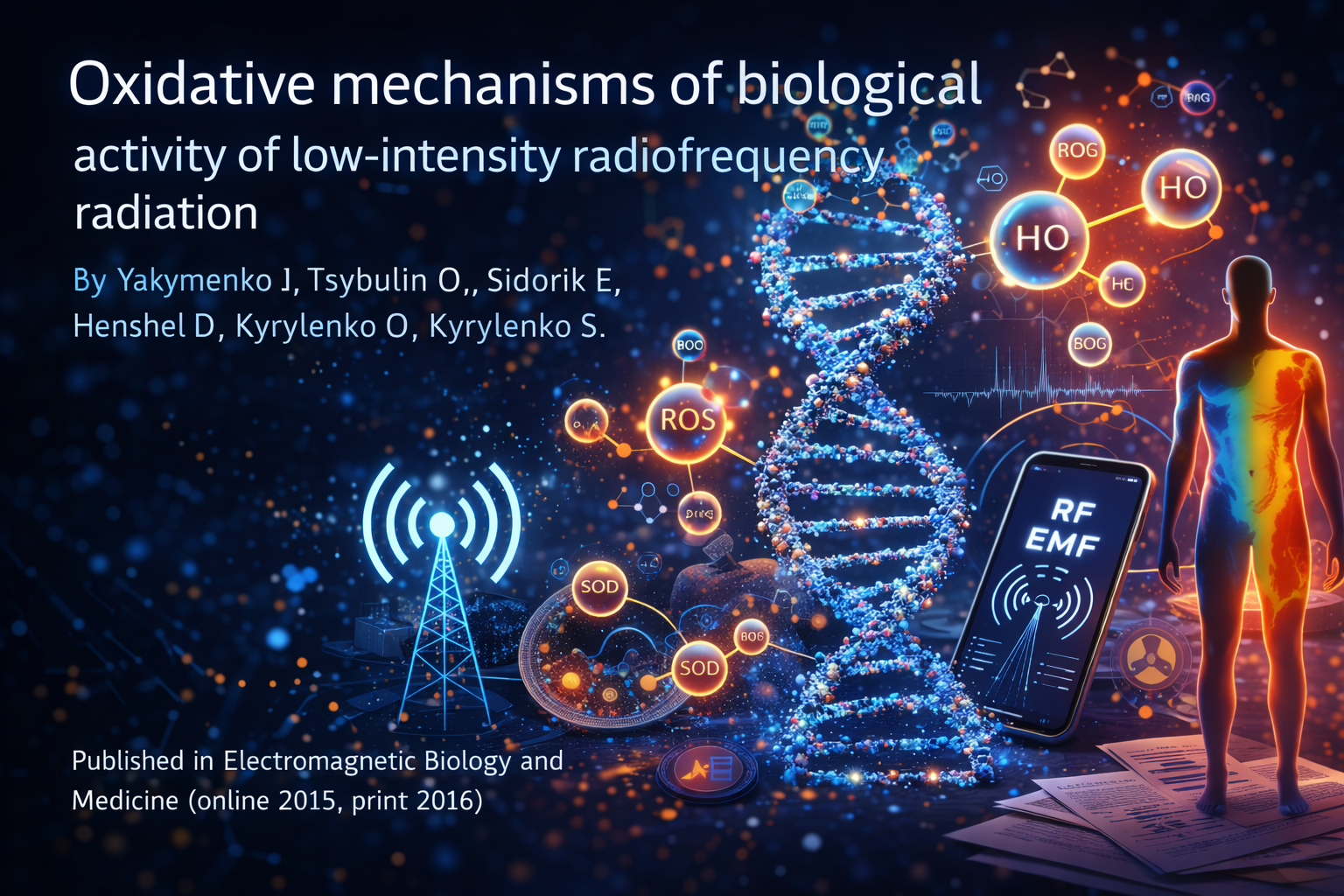
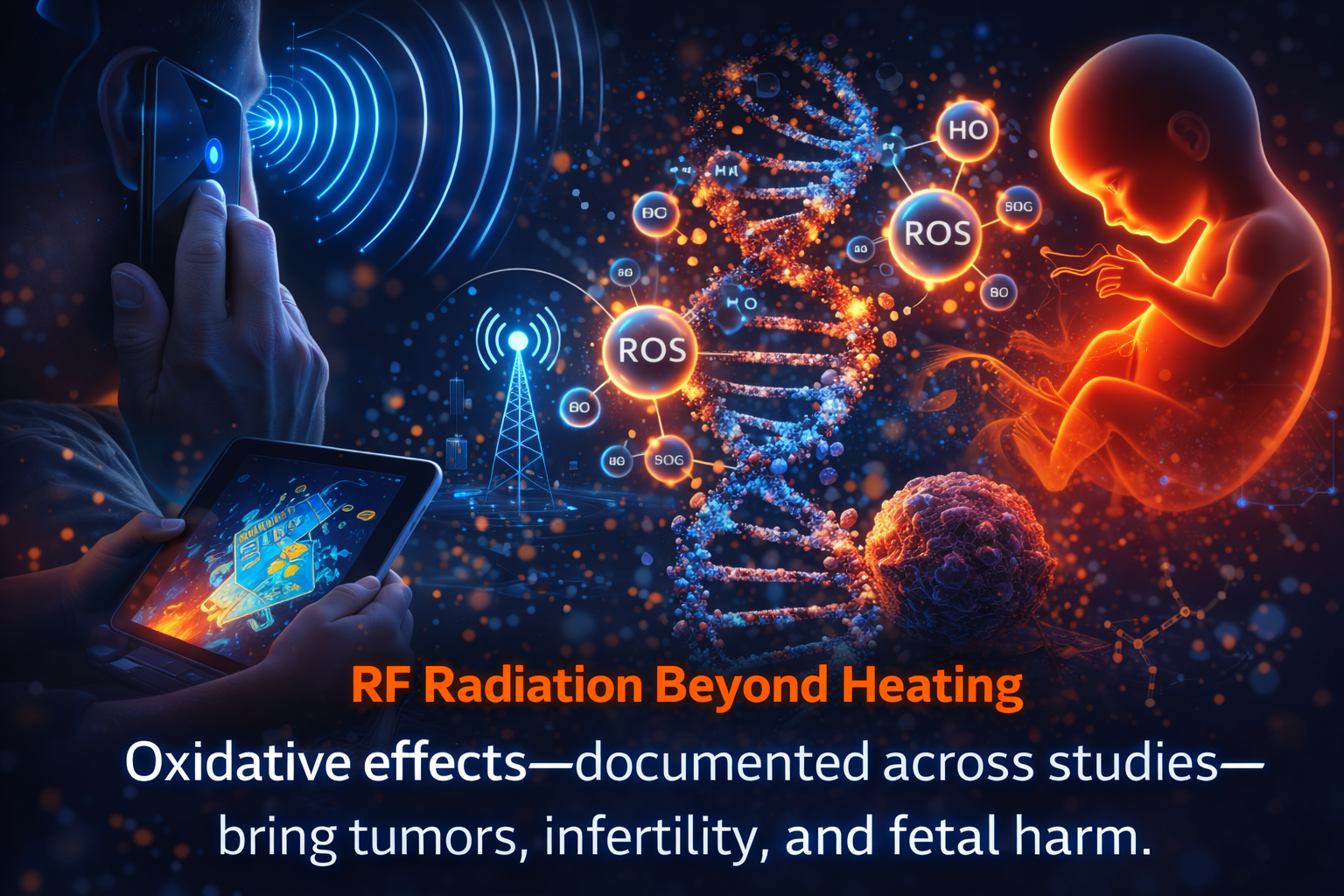
Upstream perturbations: Oxidative stress markers in 93/100 studies; mitochondrial signaling shifts; calcium dysregulation without thermal damage.
Nonlinear amplification: Initial 1% fidelity loss compounds via cascades (e.g., ROS gene expression, tissue remodeling).
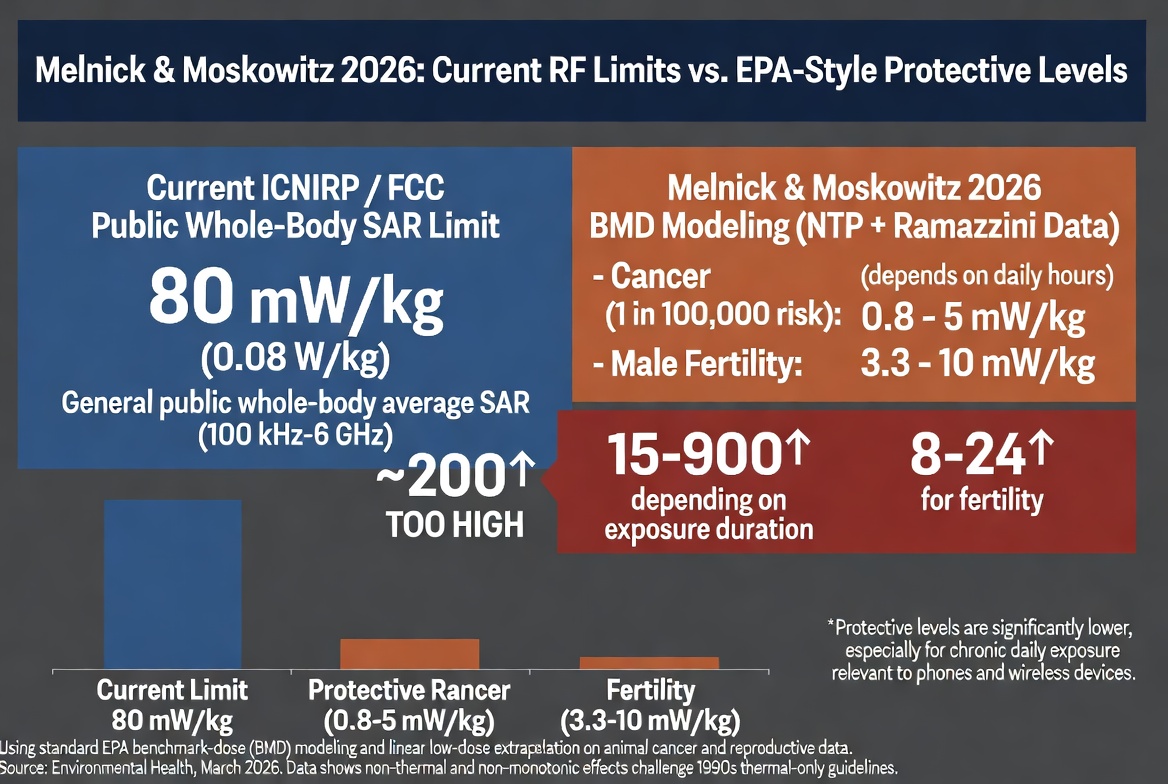
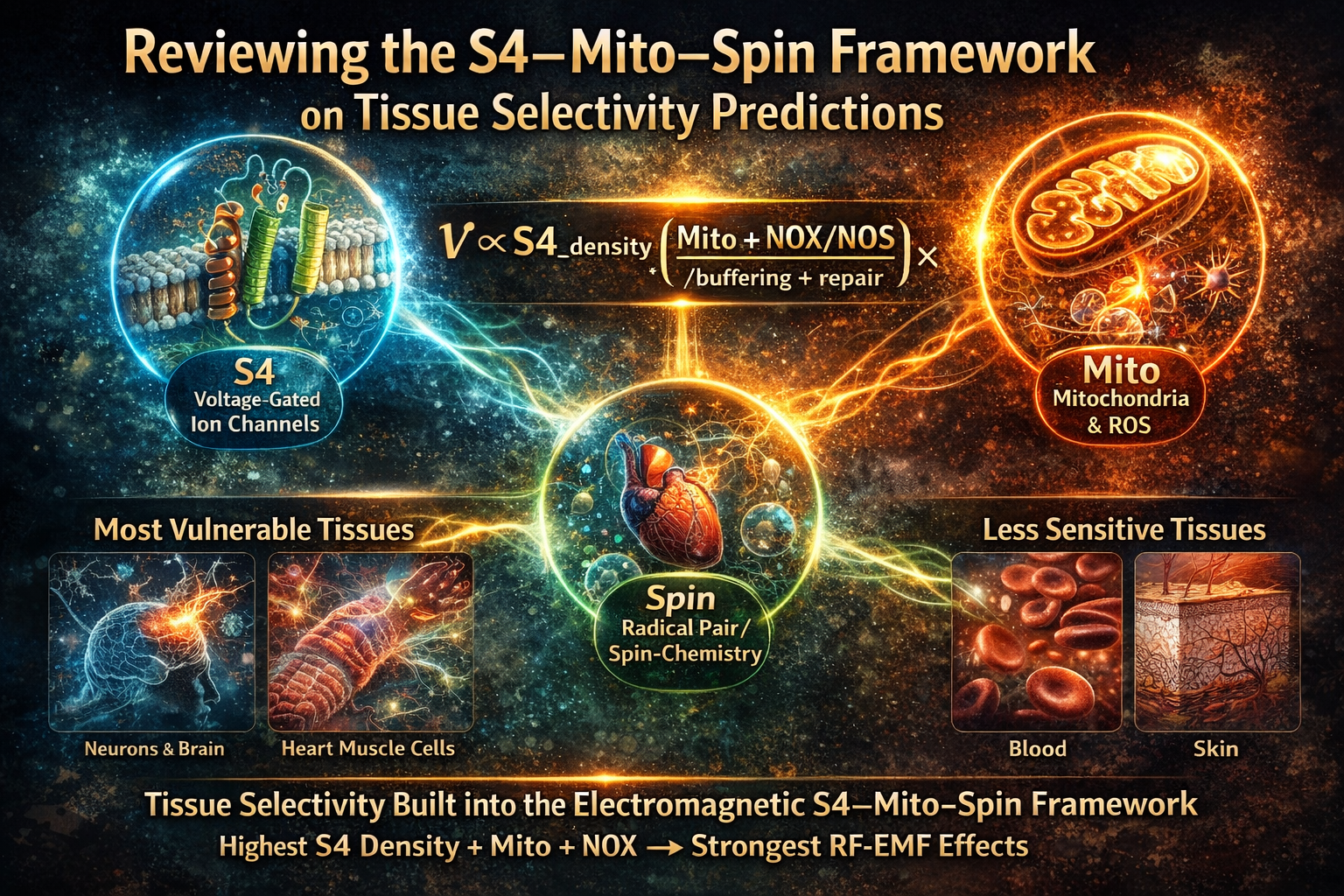
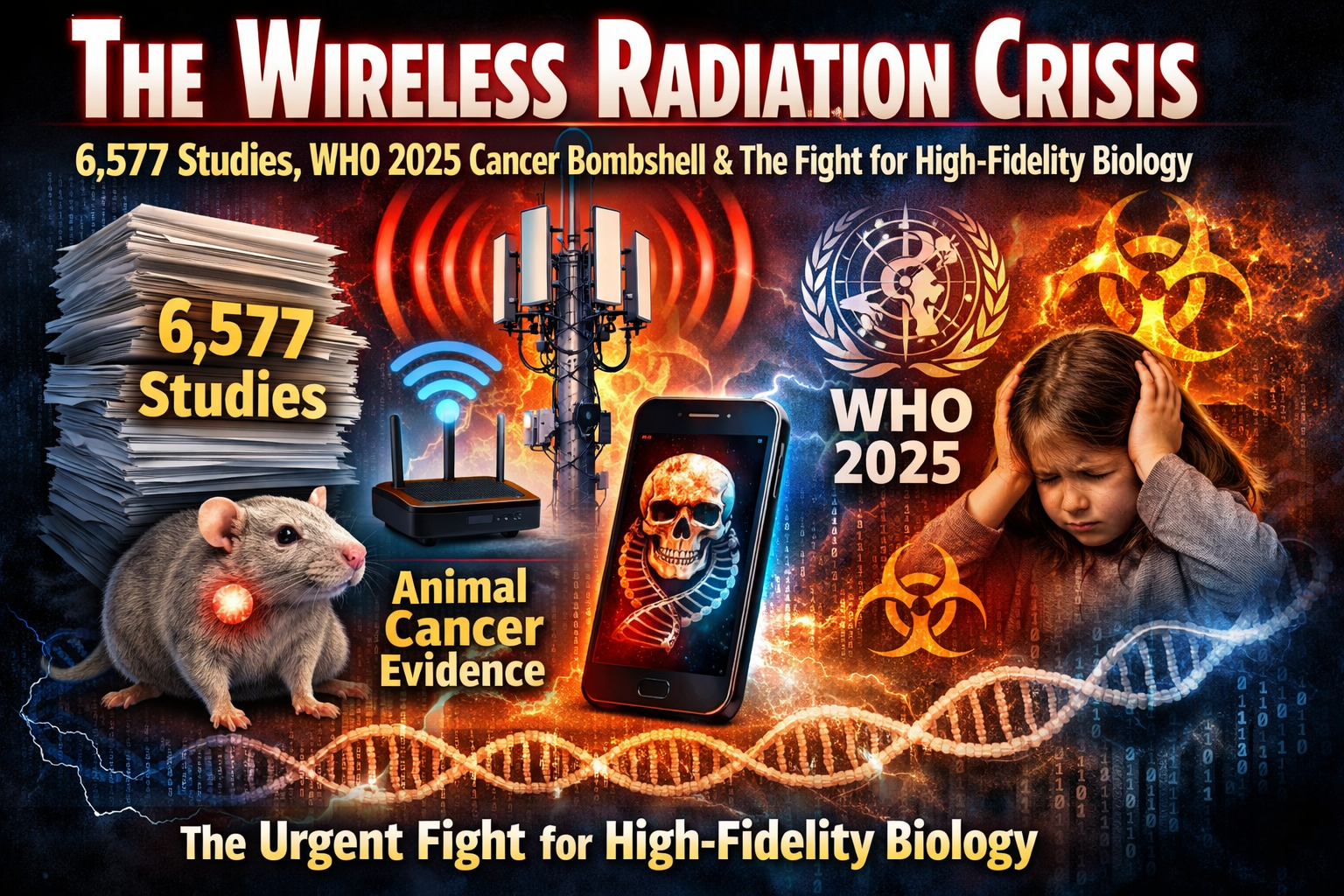
Downstream divergence: No uniform "EMF disease." Instead, opportunistic outcomes emerge where vulnerabilities align heart schwannomas and nerve tumors dominate animal bioassays (NTP, Ramazzini), matching tissues richest in mitochondria and S4 density.
This framework, sometimes called S4 Mito Spin, predicts why heart muscle, nerves, and neural tube tissues recur as hotspots: their chronic high-energy demand and structural coherence make them chaotic amplifiers of field perturbations.
Why Traditional Science Struggles with EMF Chaos
Public health agencies prioritize linear epidemiology, demanding consistent human disease spikes before action. Chaos theory predicts the opposite for EMFs:
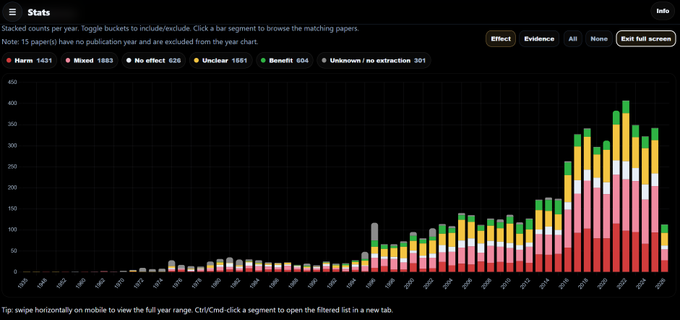
Elusive signals: Mixed studies reflect biology's variability; neural tube defects or transgenerational effects prove nearly undetectable amid confounders.
Inescapable baseline shift: Unlike diet or pollution, modern EMFs blanket inescapable low-fidelity environments, with no full reset possible, turning co-stresses opportunistic.
Irreversible windows: Embryonic morphogenesis allows no second chances; one mistimed signal cascades irreversibly.
Agencies acknowledge suggestive animal tumors and mechanistic effects (IARC: RF "possibly carcinogenic") yet hesitate without linear proof. Chaos reframes this not as "inconclusive" but as expected behavior of nonlinear life.
Precaution in a Chaotic World
The butterfly effect doesn't demand absolute proof; it demands respect for sensitivity. In EMF research:
Vulnerable populations (pregnant women, children) warrant strict precaution: distance devices, wired alternatives, nighttime airplane mode.
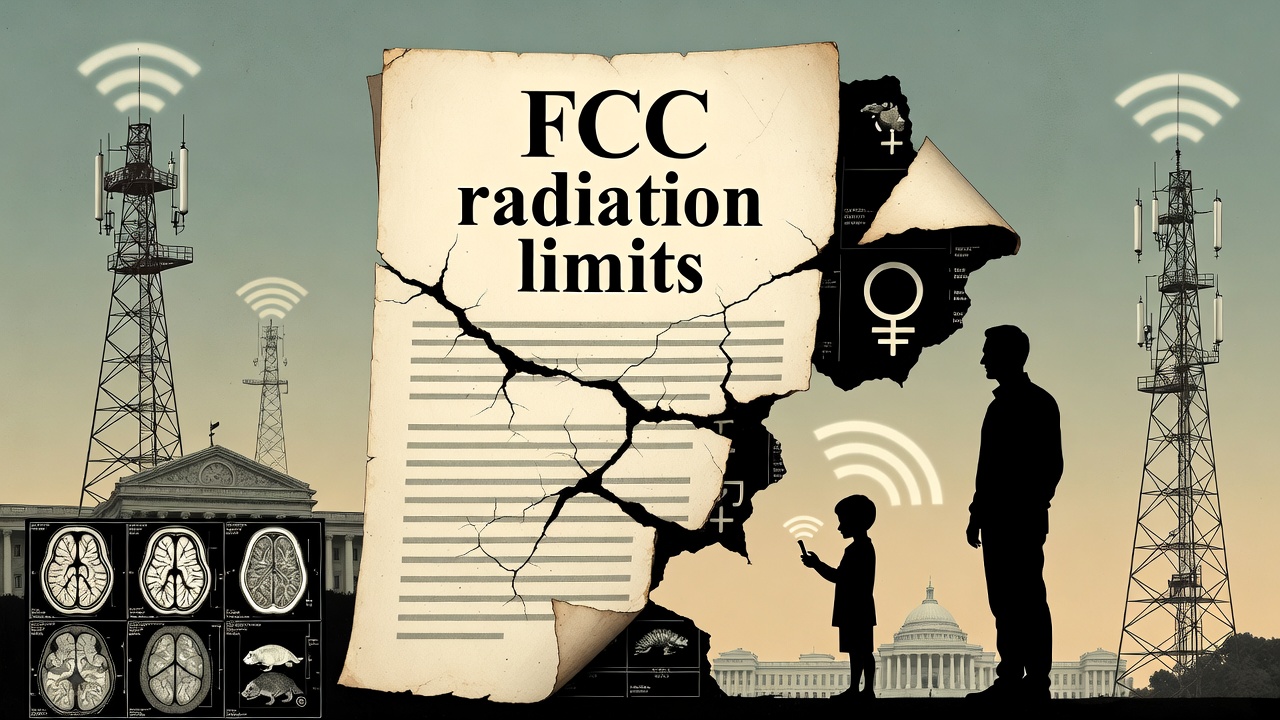
Policy must evolve beyond thermal limits to address fidelity degradation in chaotic hotspots.
Research should map tissue-specific chaos (mito/S4 density) rather than chasing singular causations.
By viewing EMF biology through chaos theory, we shift from futile linear debates to actionable understanding: small, persistent field mismatches can reshape health trajectories profoundly. In a world of butterflies and storms, upstream fidelity isn't optional; it's foundational to life.