



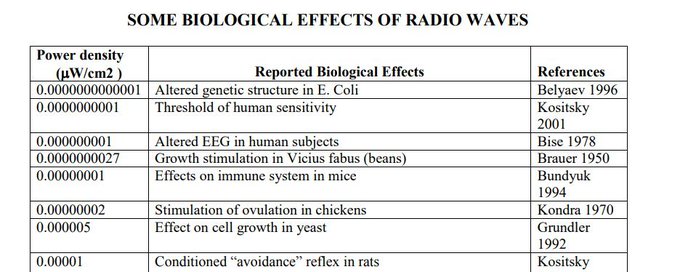
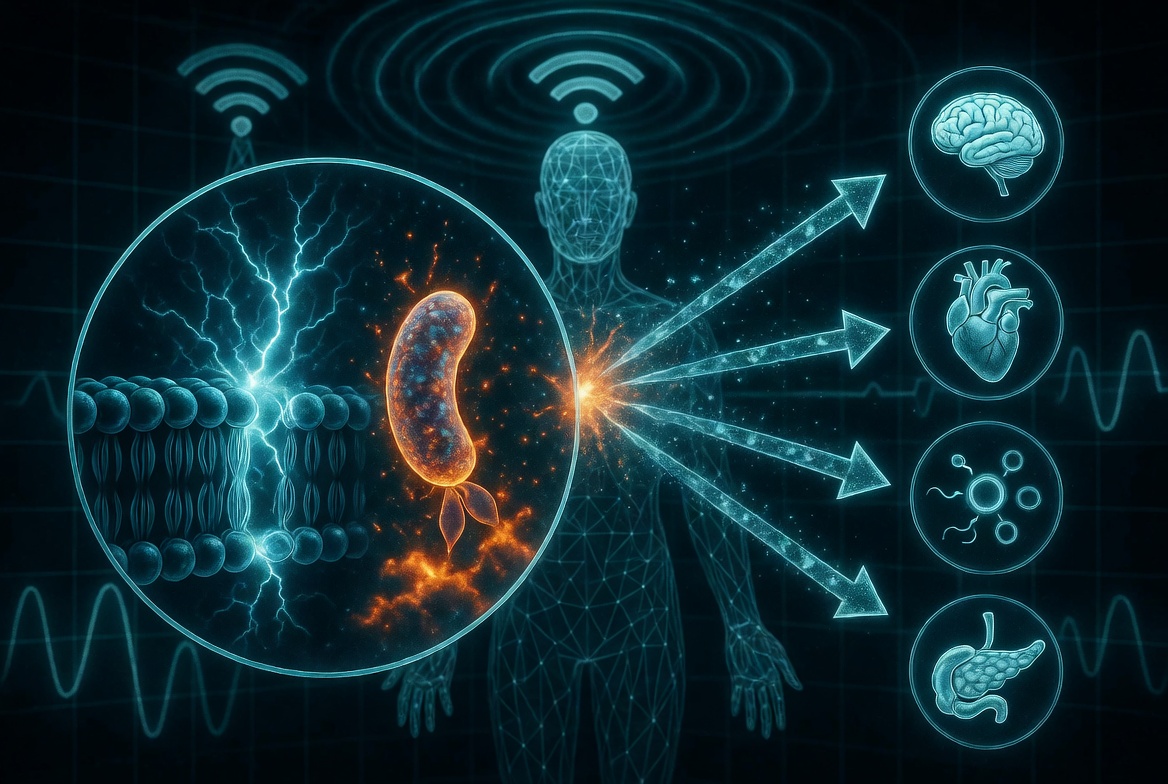
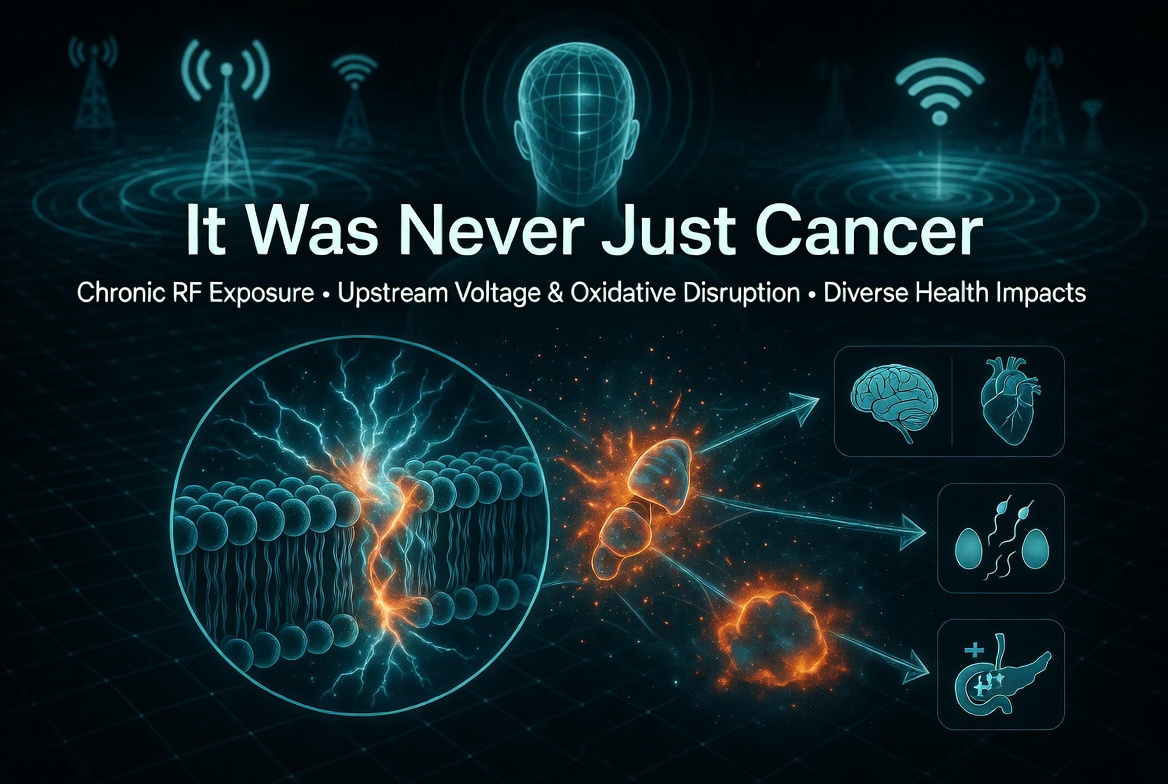
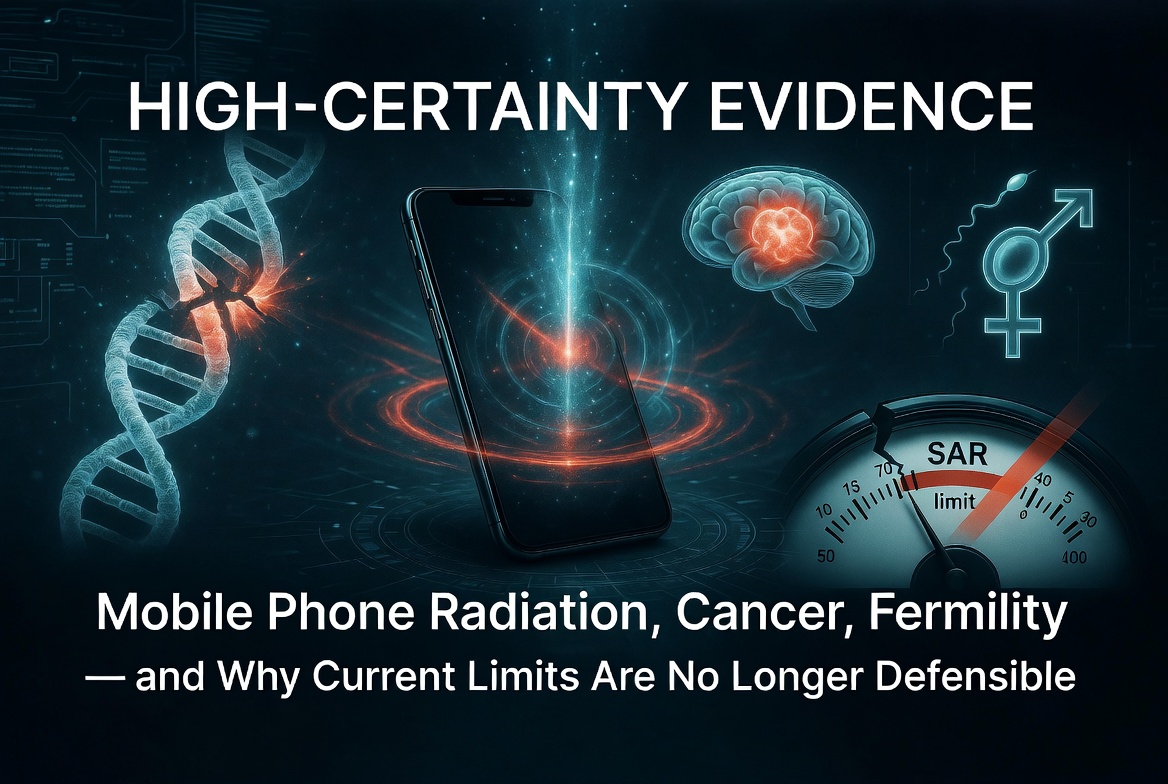























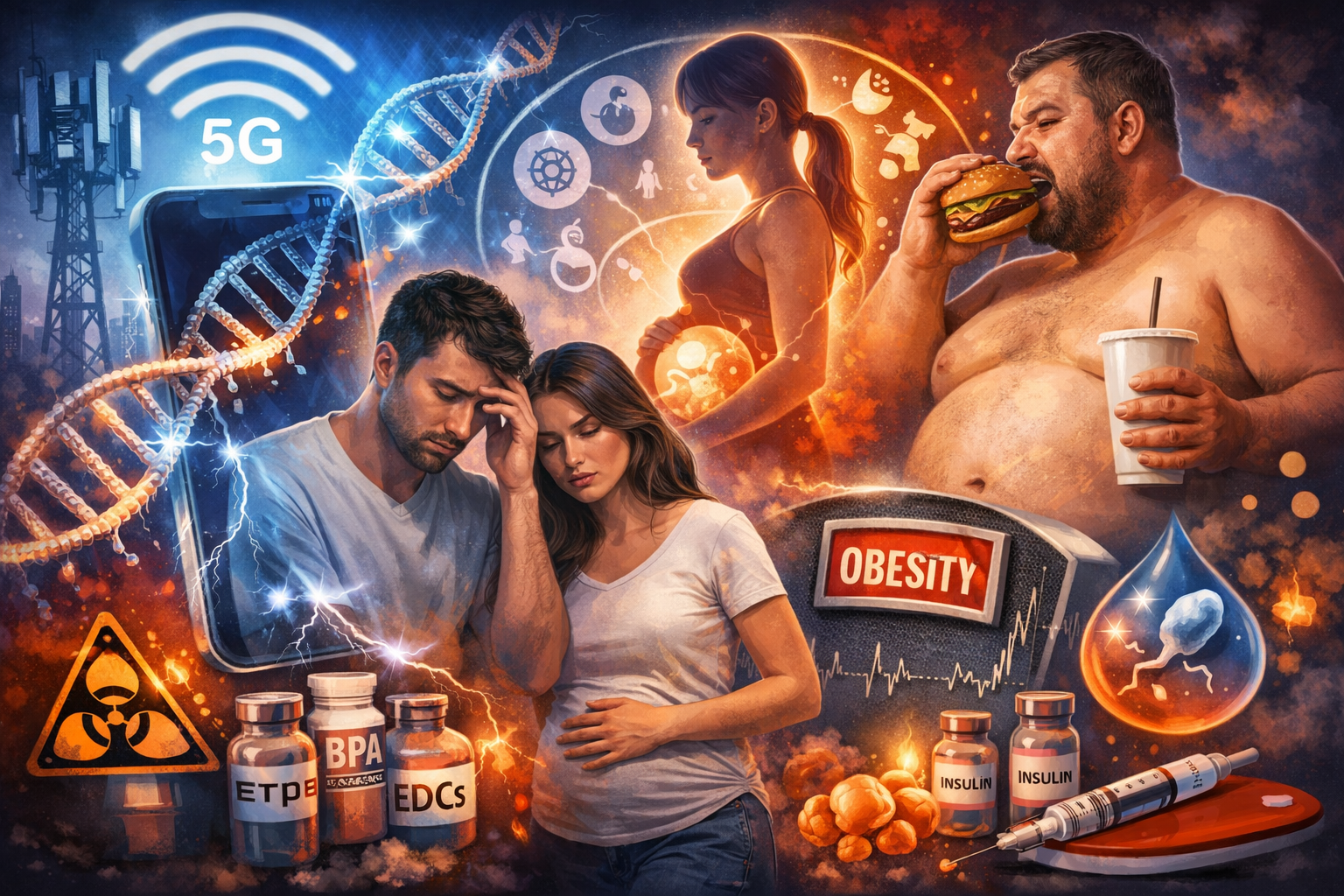

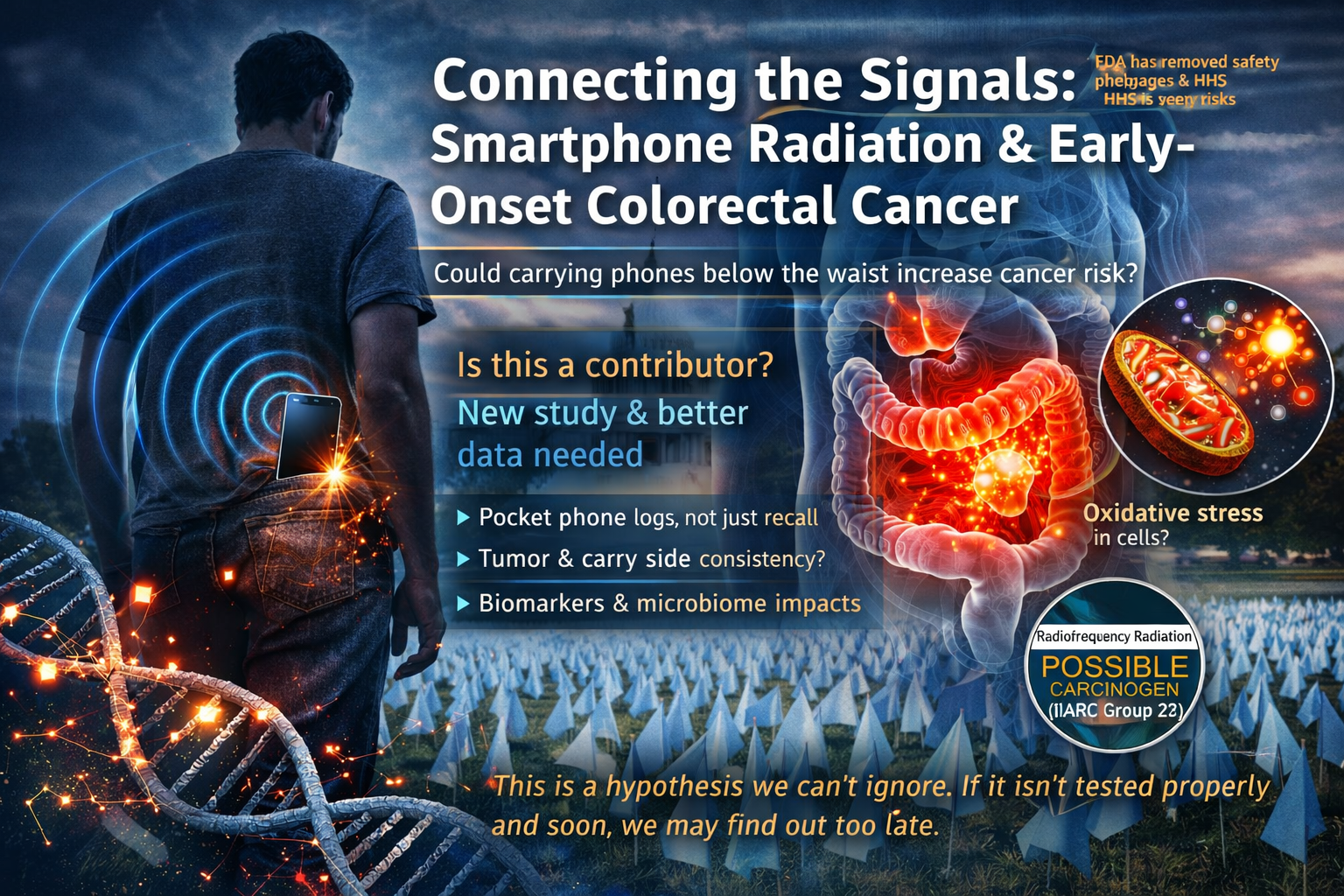



Serious clinicians are now willing to ask whether non-native electromagnetic fields belong in the conversation about the big chronic trends of the modern era. Not just brain tumors. Not just fertility collapse. Not just one neat disease endpoint. The harder, more important question is whether we have built a low-fidelity environment that perturbs biology so far upstream that the downstream outcomes show up everywhere: metabolism, immune balance, reproduction, neurodevelopment, and, in the worst cases, cancer.
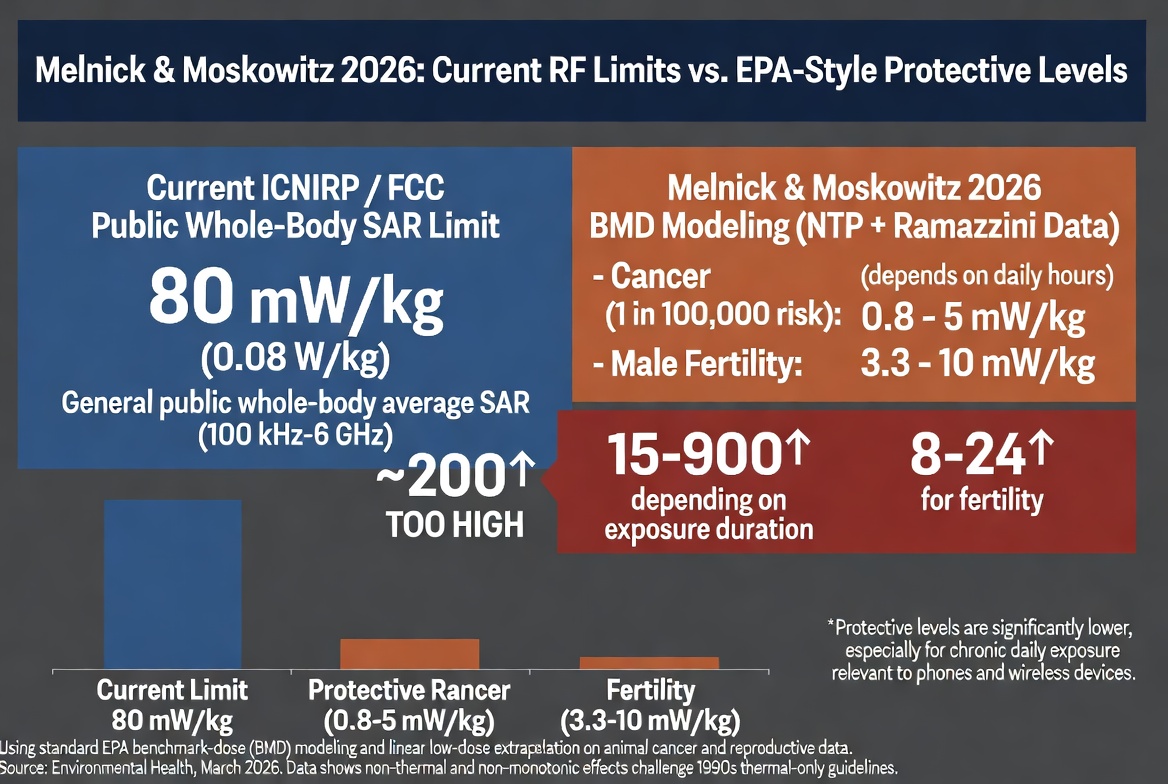
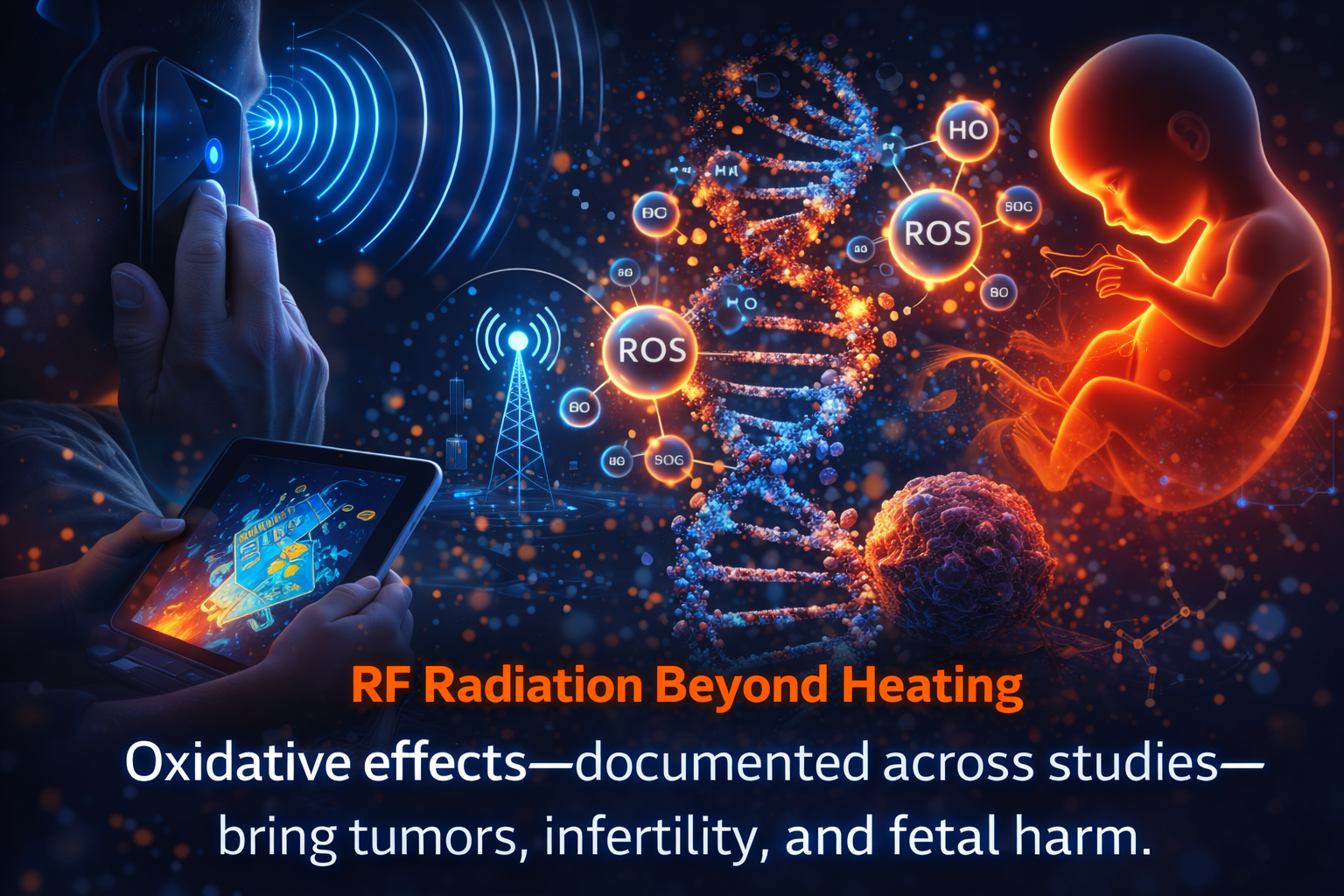
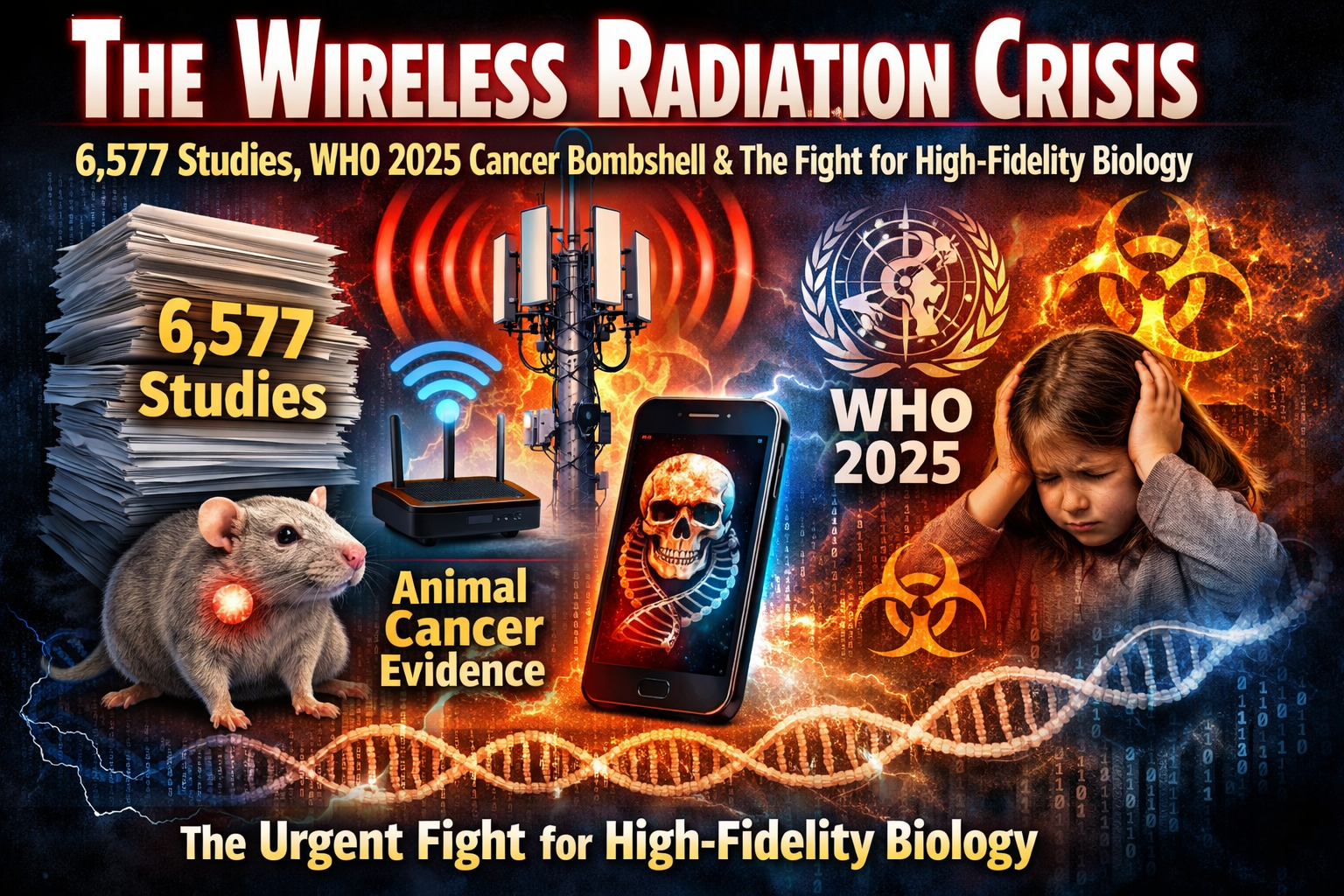
That is where the science now is. The strongest recent reviews do not leave us with vague suspicion. A 2025 systematic review in Environment International concluded there is high-certainty evidence from animal studies that RF radiation increases glioma and malignant schwannoma of the heart in male rats. A 2025 corrigendum on male fertility concluded there is high certainty of evidence that RF-EMF exposure reduces rate of pregnancy in experimental animal studies. Then, in March 2026, Ronald Melnick and Joel Moskowitz published a risk-assessment paper concluding that current public RF limits are 15- to 900-fold higher than their cancer-risk-based estimates, depending on exposure duration, and 8- to 24-fold higher than levels protective of male reproductive health.
That means the thermal-only story is collapsing. The old defense was simple: if it does not heat tissue enough, it does not matter. But that defense only works if biology is basically a toaster. It is not. Living systems run on timing, voltage gradients, ion-channel behavior, redox balance, mitochondrial output, and signal coordination across cells and tissues. When the disturbance hits that far upstream, you should not expect one tidy endpoint. You should expect a cascade of opportunity for dysfunction. Cancer is one endpoint. Infertility is another. Metabolic drift is another. Immune shift is another.
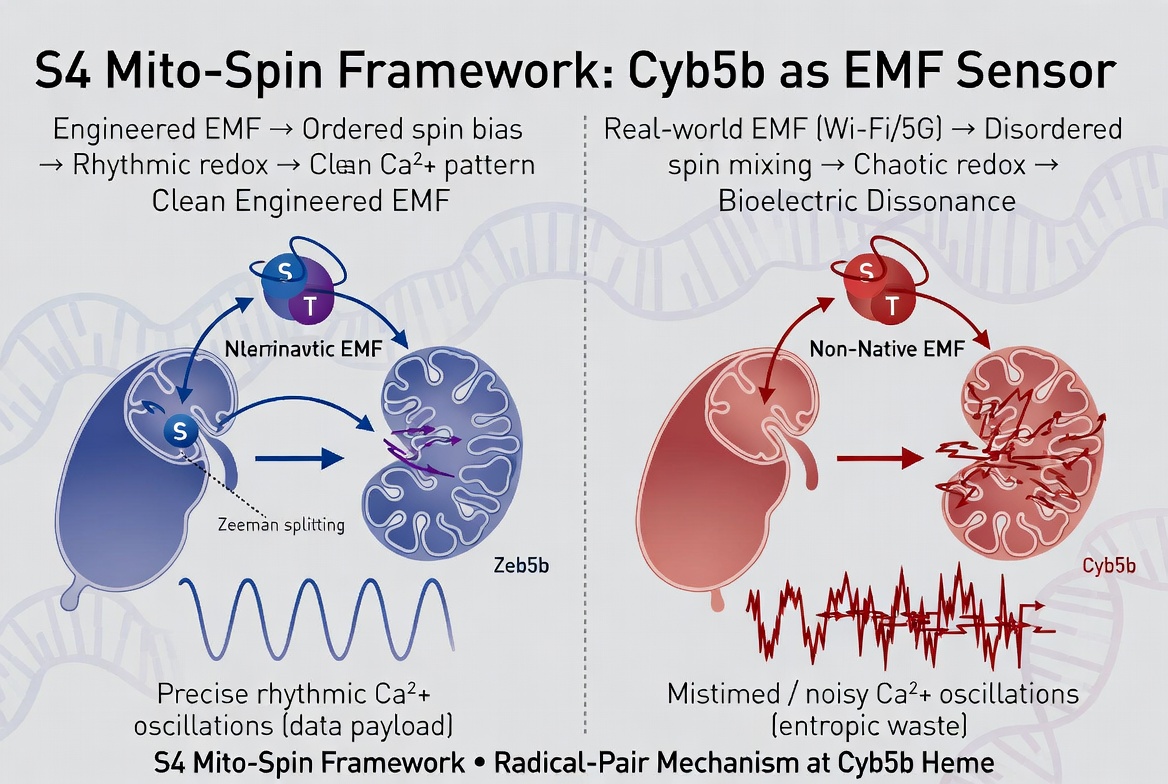
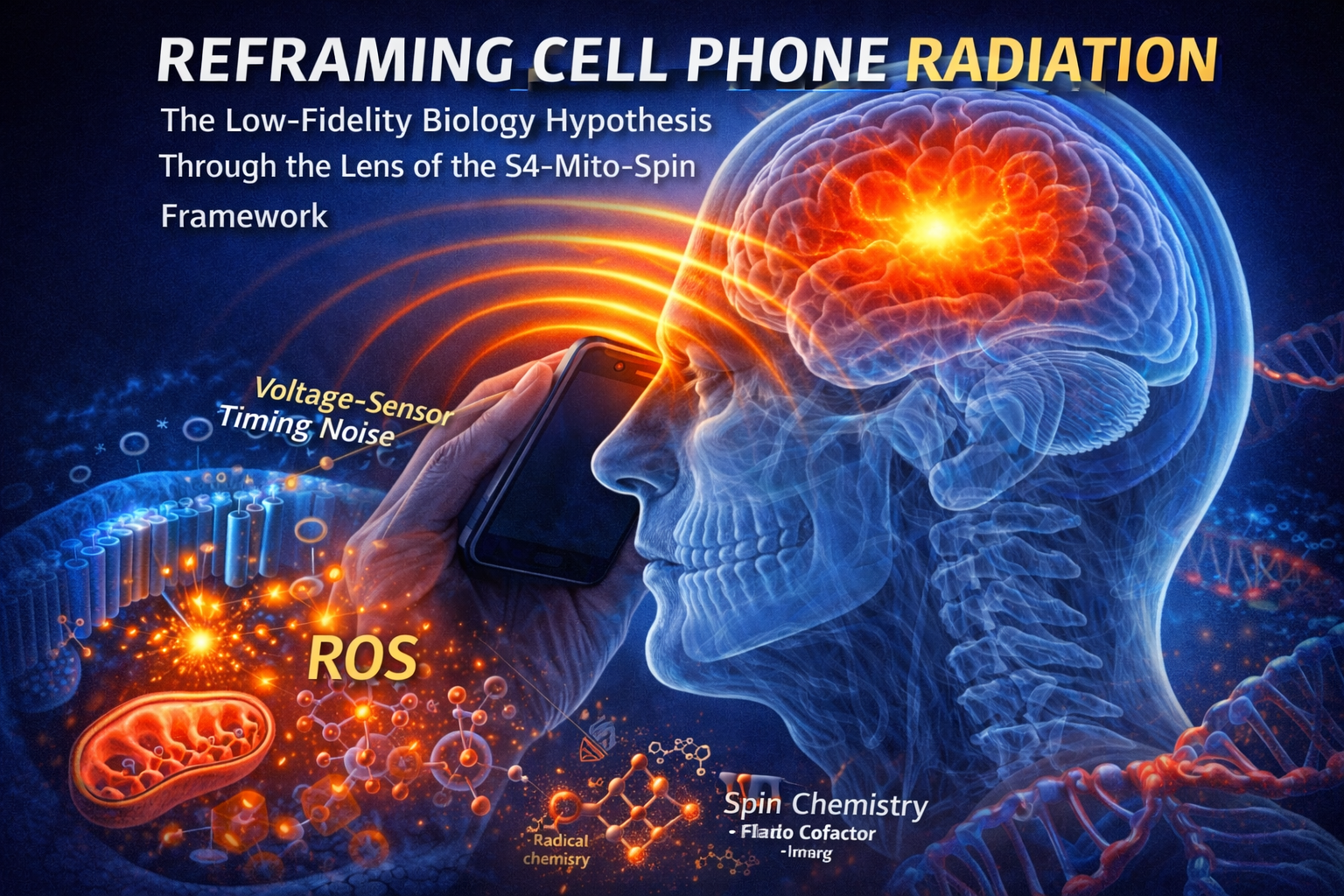
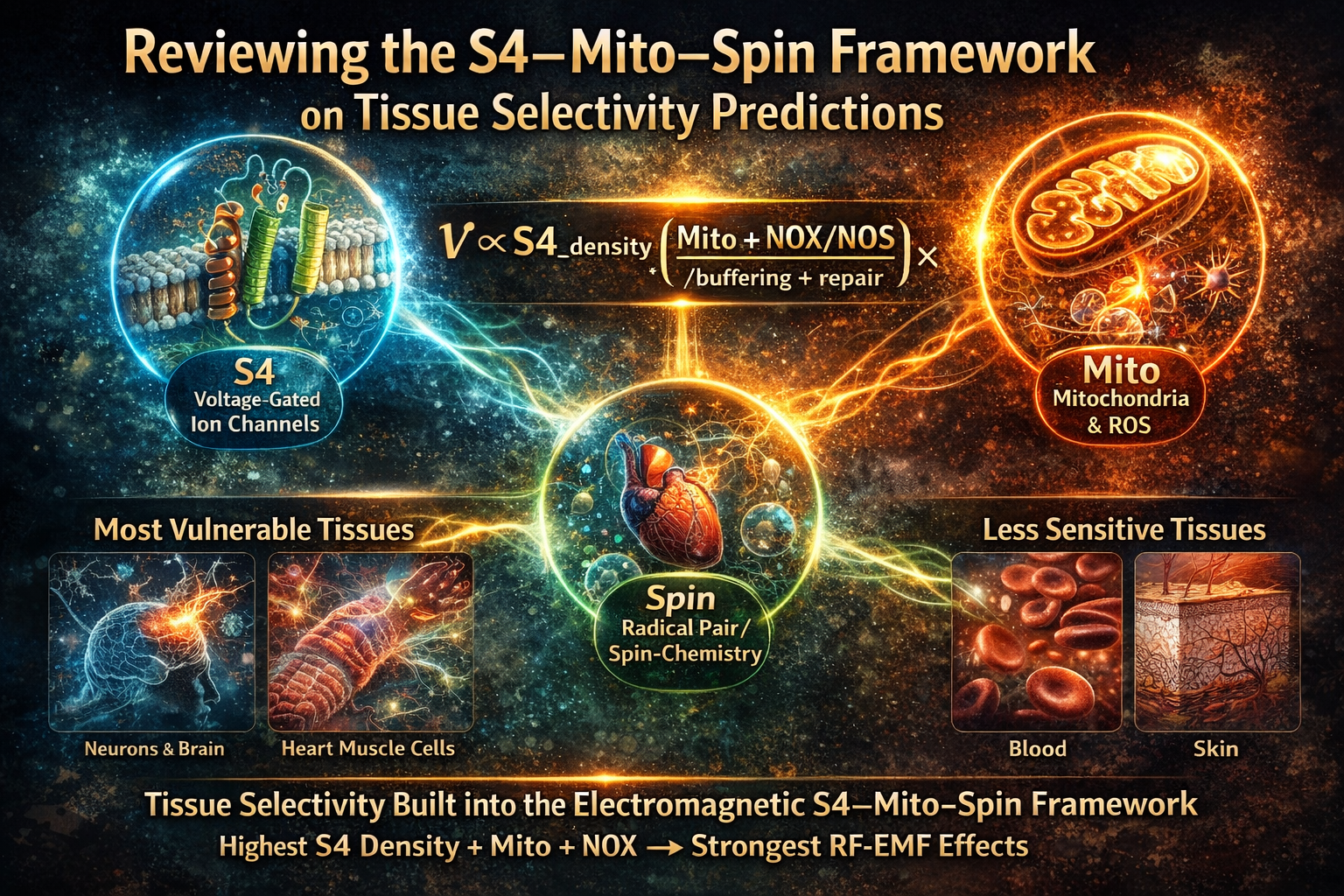
That is why the 2025 Panagopoulos paper is so important. It argues that wireless communication fields are not biologically interesting merely because they are “microwaves,” but because they are polarized, coherent, pulsed, modulated, and strongly variable in low-frequency bands. In that framework, the biologic insult begins when those ELF/ULF components force irregular behavior in voltage-gated ion channels, which then drives ROS overproduction through mitochondria, NADPH oxidases, nitric oxide synthases, and related systems. Martin Pall’s earlier VGCC review pushed a similar point from another angle: 23 studies showed that calcium-channel blockers blocked or greatly lowered diverse EMF effects, which is exactly the kind of evidence you would expect if the injury starts at the level of voltage-sensor machinery rather than at the level of gross heat.
Once you understand that, the metabolism question stops sounding fringe. It becomes the obvious next question. If ion-channel behavior is being mistimed, and if mitochondria and oxidative pathways are being pushed off their normal set points, then glucose handling, insulin signaling, and energy metabolism are exactly the kinds of functions you would expect to wobble. That does not mean EMFs are the only driver of obesity or diabetes. It means they belong in the causal architecture because they can hit the bioelectrical and oxidative control layer upstream of those disorders.
There are experimental data consistent with that concern. In rat pancreatic islets, one Wi-Fi study reported hyperglycemia, increased oxidative stress, and impaired insulin secretion after exposure. A school-based human study near mobile-phone base stations reported higher HbA1c and higher risk of type 2 diabetes in the more highly exposed group, though that study was cross-sectional and cannot by itself prove causation. Experimental work has also reported EMF-linked changes in genes involved in glucose transport and the TCA cycle, and a 2025 metabolomics paper in Ecotoxicology and Environmental Safety reported that long-term 3.5 GHz exposure in Drosophila disrupted multiple metabolic pathways and altered metabolites including glucose-6-phosphate.
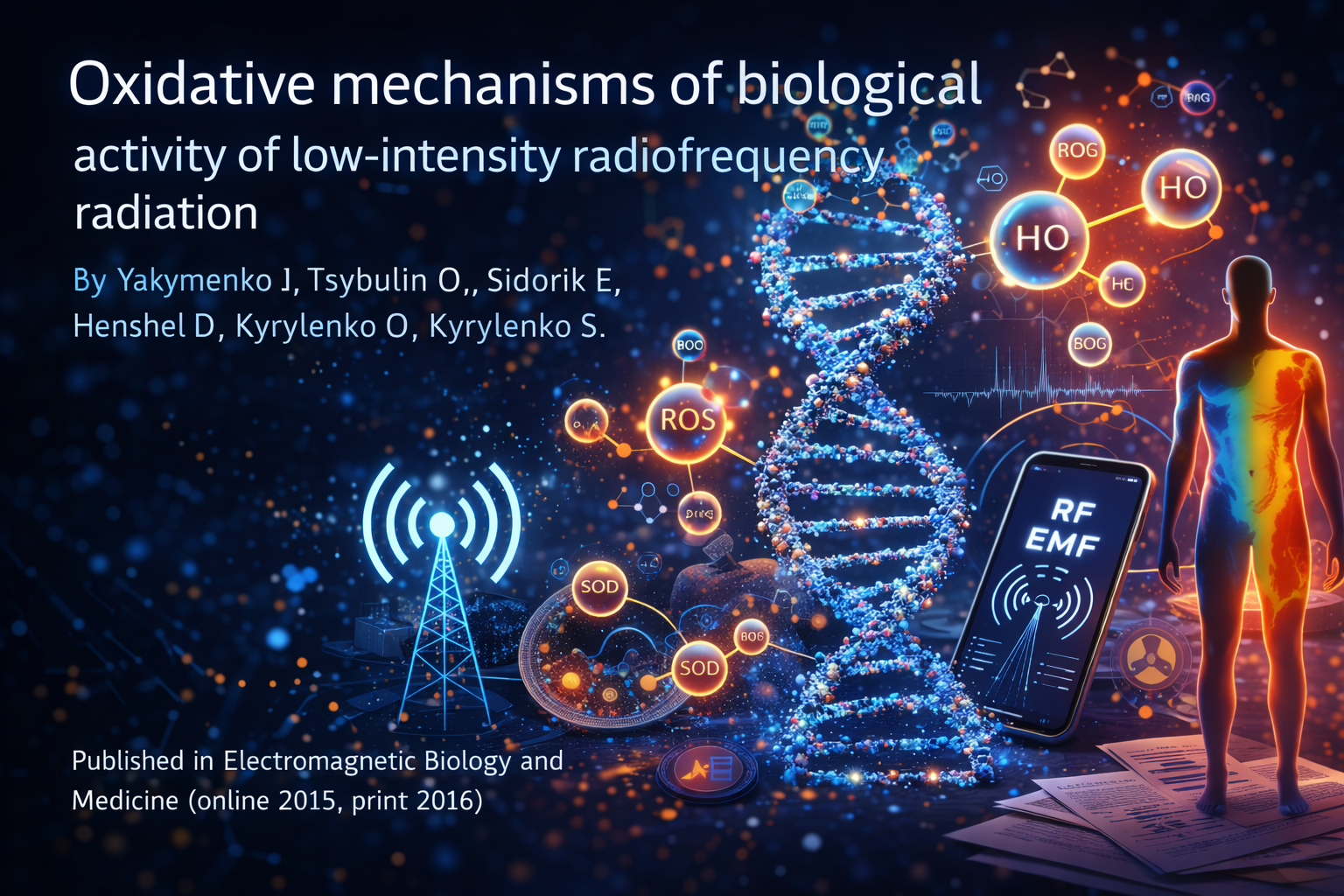
So the metabolic case is real, but it is not identical to the cancer case. That distinction matters. The cancer and male-reproduction reviews now carry high-certainty language in the animal evidence. The metabolism literature is more heterogeneous. A 2016 review by Yakymenko and colleagues reported oxidative effects in 93 of 100 low-intensity RF studies, but a 2024 systematic review on oxidative-stress biomarkers judged the evidence very low certainty and often inconsistent because of study heterogeneity, exposure-assessment problems, and other methodological limits. In other words: the signal is there, but the endpoint map is messier. That is exactly what you would expect when the injury is upstream and the phenotypes downstream are varied, compensatory, and context-dependent.
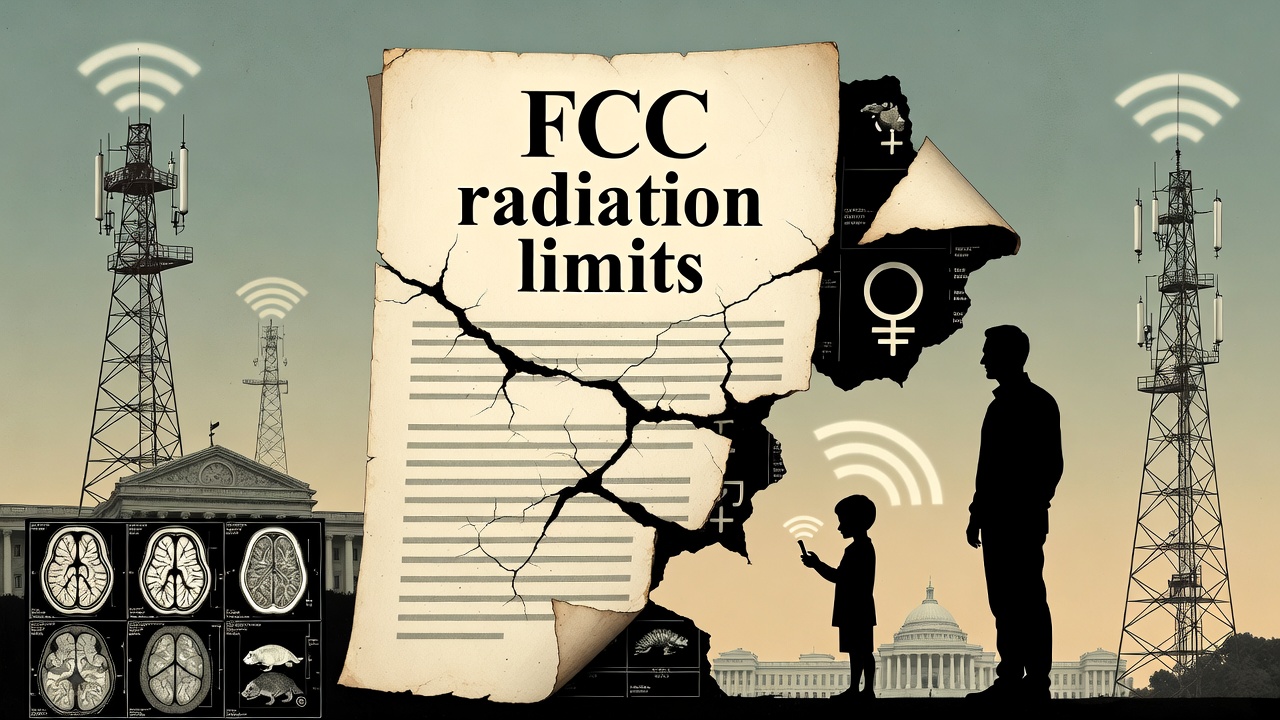
That is the part regulators still do not want to face. They keep acting as though safety must be disproven by one direct line from one exposure to one disease. But if the field effect is really operating at the level of ion-channel timing, calcium handling, oxidative burden, mitochondrial signaling, and cellular coordination, then the true signature of harm is not one disease in isolation. It is system instability. Some tissues will show that instability as fertility loss. Some will show it as metabolic dysfunction. Some as immune dysregulation. Some as neurodevelopmental problems. Some, after years, as cancer.
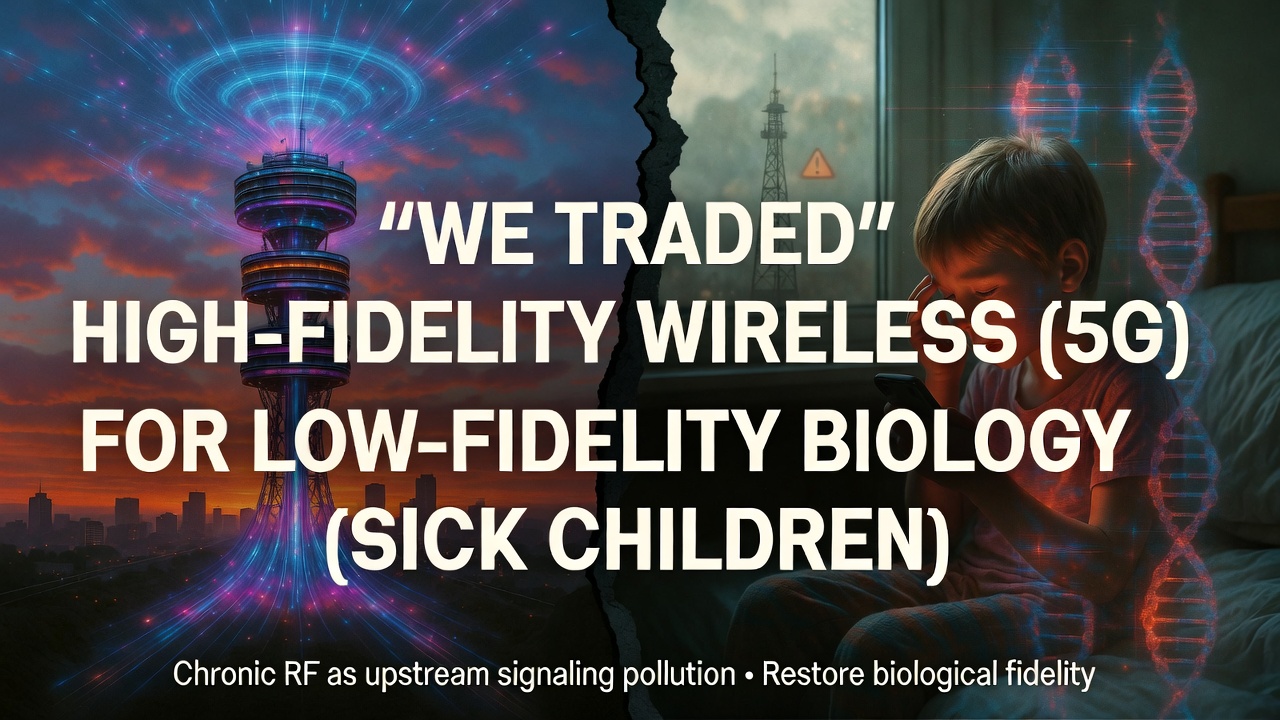
RF Safe has been saying this for a long time in different words: the problem is not just that the modern EMF environment may be harmful. The problem is that it may be low fidelity. When biology is forced to operate inside a noisy, mistimed, pulsed, incoherent signaling environment, you do not get one clean lesion and one neat headline. You get drift. You get compensations. You get failures in the systems that depend on precision. And eventually, in enough bodies, you get the endpoints the literature is now documenting with increasing clarity.
That is why this conversation cannot stop at cancer, even though cancer is serious enough on its own. The point is larger than that. Cancer is the warning flare that even the most conservative systems are having trouble ignoring. But the deeper story is that the same upstream disturbance that can help produce cancer can also help produce metabolic shift, redox imbalance, immune drift, and reproductive decline. When the control layer is disturbed, the downstream failures multiply.
And that is why the tweet you shared matters. It shows that the question has changed. We are no longer arguing only about whether EMFs can heat tissue. We are starting to argue about whether they have been quietly reshaping the biological baseline of modern life.