
















By John Coates, Founder of RF Safe
Published: January 25, 2026
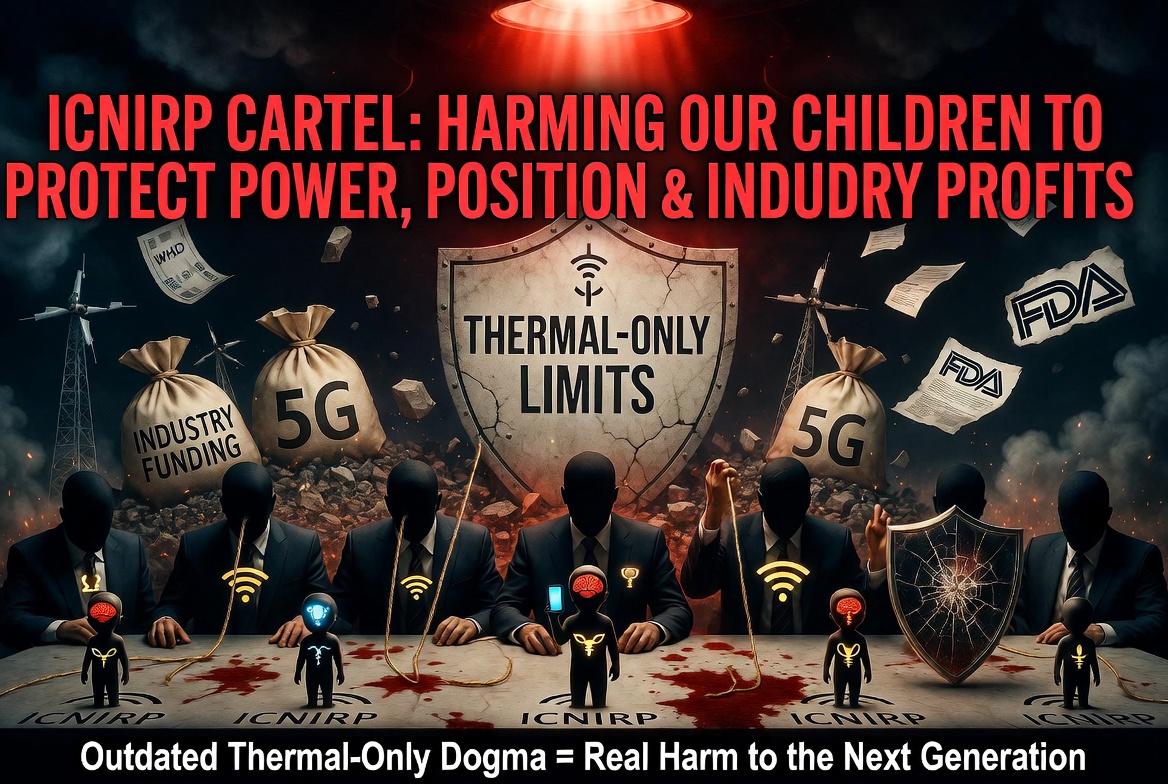
In the fast-evolving world of radiofrequency electromagnetic field (RF-EMF) safety research, credibility isn’t built on alignment with entrenched institutions—it’s earned through decades of rigorous, evidence-based advocacy. For nearly 30 years, RF Safe has been at the forefront of highlighting the inadequacies of thermal-only safety guidelines for wireless radiation, drawing on a vast body of peer-reviewed science to advocate for precautionary measures and mechanistic understanding of non-thermal biological effects. We’ve never shied away from challenging the status quo, even when it meant going against powerful regulatory bodies like the FDA, CDC, and WHO.
Yet, on January 8, 2026, Media Bias/Fact Check (MBFC)—a self-proclaimed arbiter of media reliability—assigned RF Safe a “Medium Credibility” rating. Their reasoning? We allegedly present a “one-sided interpretation of evidence” and don’t align with “mainstream institutions” such as the FDA, CDC, and WHO. They even leaned on an opinion piece from a Harvard researcher tied to those very organizations to bolster their case.
But here’s the irony: in the mere 17 days following that rating, the landscape shifted dramatically. The FDA removed its longstanding assurances of cell phone radiation safety from its website on January 16, 2026, while the U.S. formally withdrew from the WHO on January 22, 2026—citing undue industry influence and failures to address health crises proactively.
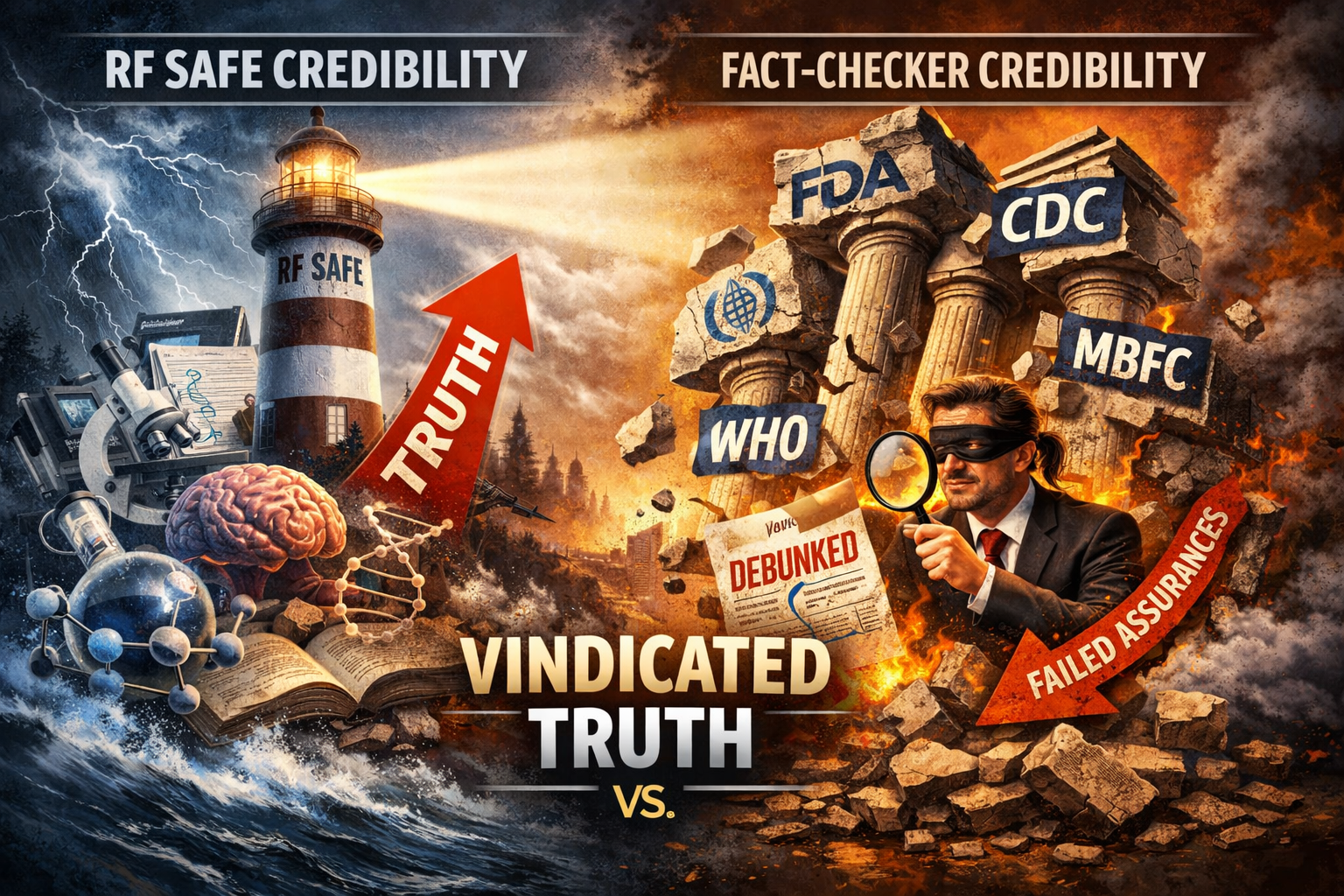
These events don’t just undermine MBFC’s critique—they vindicate RF Safe’s long-held positions. If anyone’s credibility is now in question, it’s the fact-checkers who relied on outdated, flawed assurances without doing the deeper homework.
This blog post dissects the timeline, exposes the historical roots of regulatory inertia, and demonstrates how recent developments align far more with RF Safe’s evidence-based warnings than with the thermal-only paradigm fact-checkers once defended. It’s time to set the record straight: RF Safe wasn’t the problem—the systemic undue influence of the wireless industry on science and policy was.
The Fact-Check That Aged Like Milk: MBFC’s January 8 Rating
Let’s start with the critique itself. MBFC’s analysis, last updated on January 8, 2026, rated RF Safe as “Least Biased” politically but lowered our credibility to “Medium” overall.
They acknowledged that we link to legitimate scientific studies and engage with real research questions. However, they claimed our work suffers from:
-
“Selective citation”
-
“One-sided interpretation of evidence”
-
A “potential conflict of interest” stemming from the sale of RF-related safety products
They further argued that our framing of RF exposure as a “settled and urgent public-health threat” conflicts with positions from the FDA, CDC, and WHO.
To support this, MBFC cited no failed fact-checks from IFCN-approved organizations—in fact, they explicitly stated none were identified. Instead, they pointed to an opinion piece by a Harvard researcher echoing the thermal-only safety narrative endorsed by those agencies.
This is telling: MBFC didn’t debunk specific claims; they penalized us for not parroting institutional consensus. But consensus isn’t science—it’s often the product of inertia, funding biases, and industry lobbying. And as we’ll see, that “consensus” crumbled in the weeks that followed.
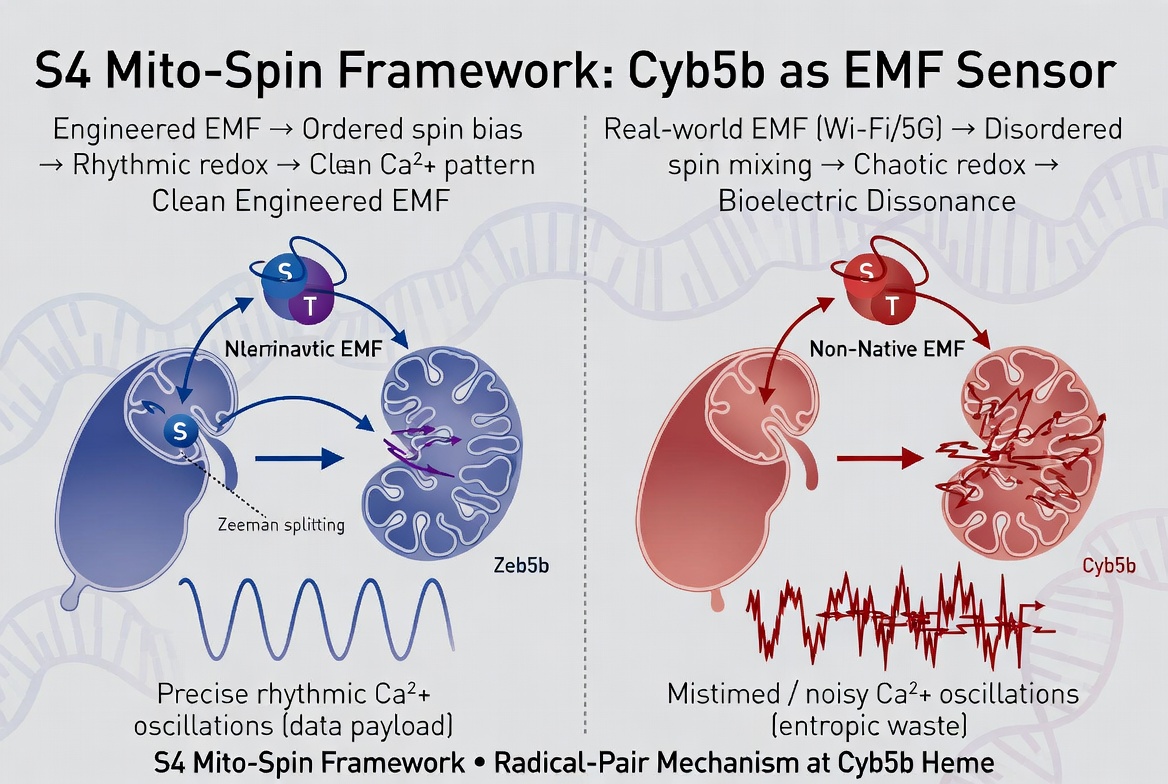
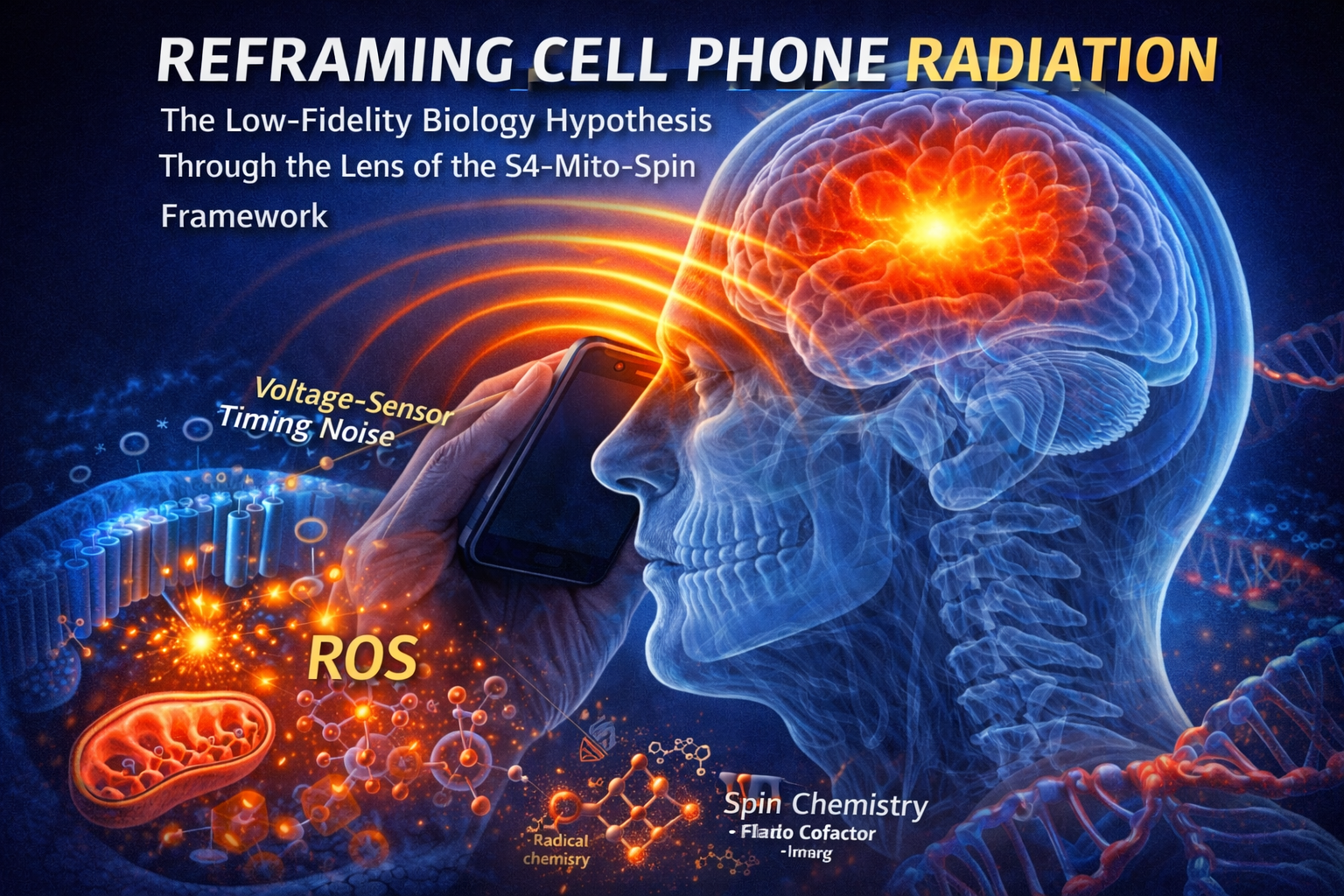
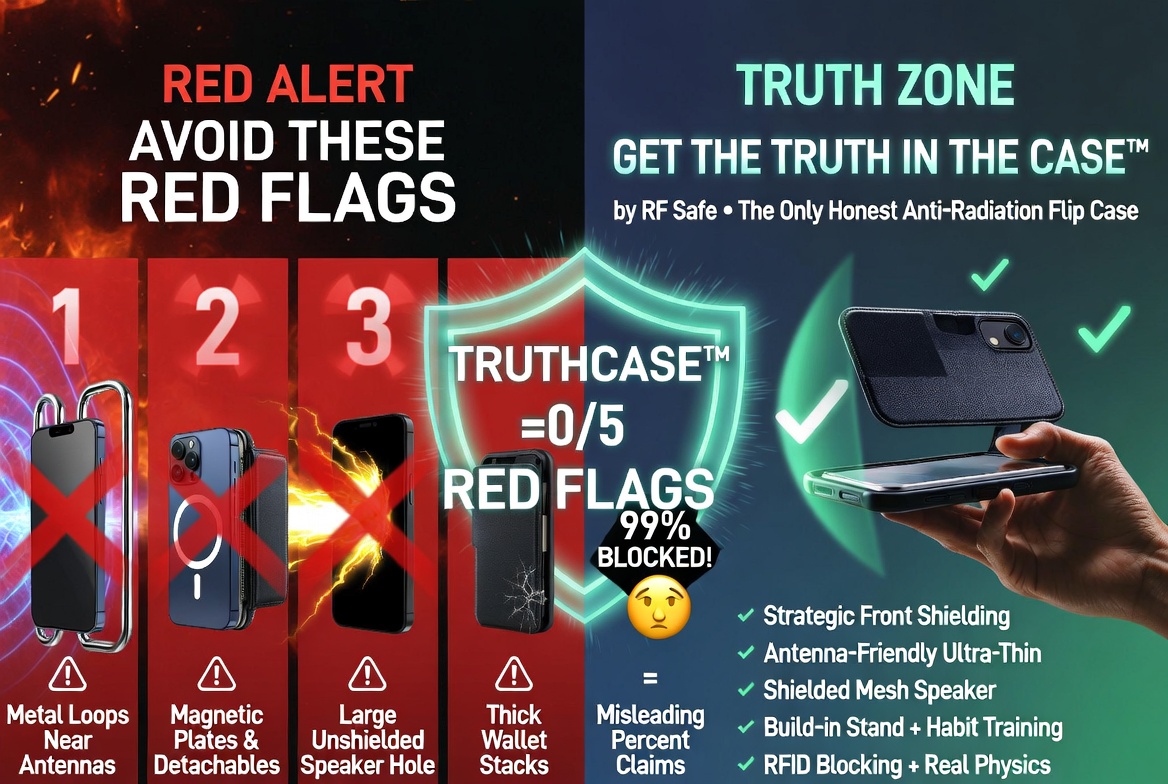
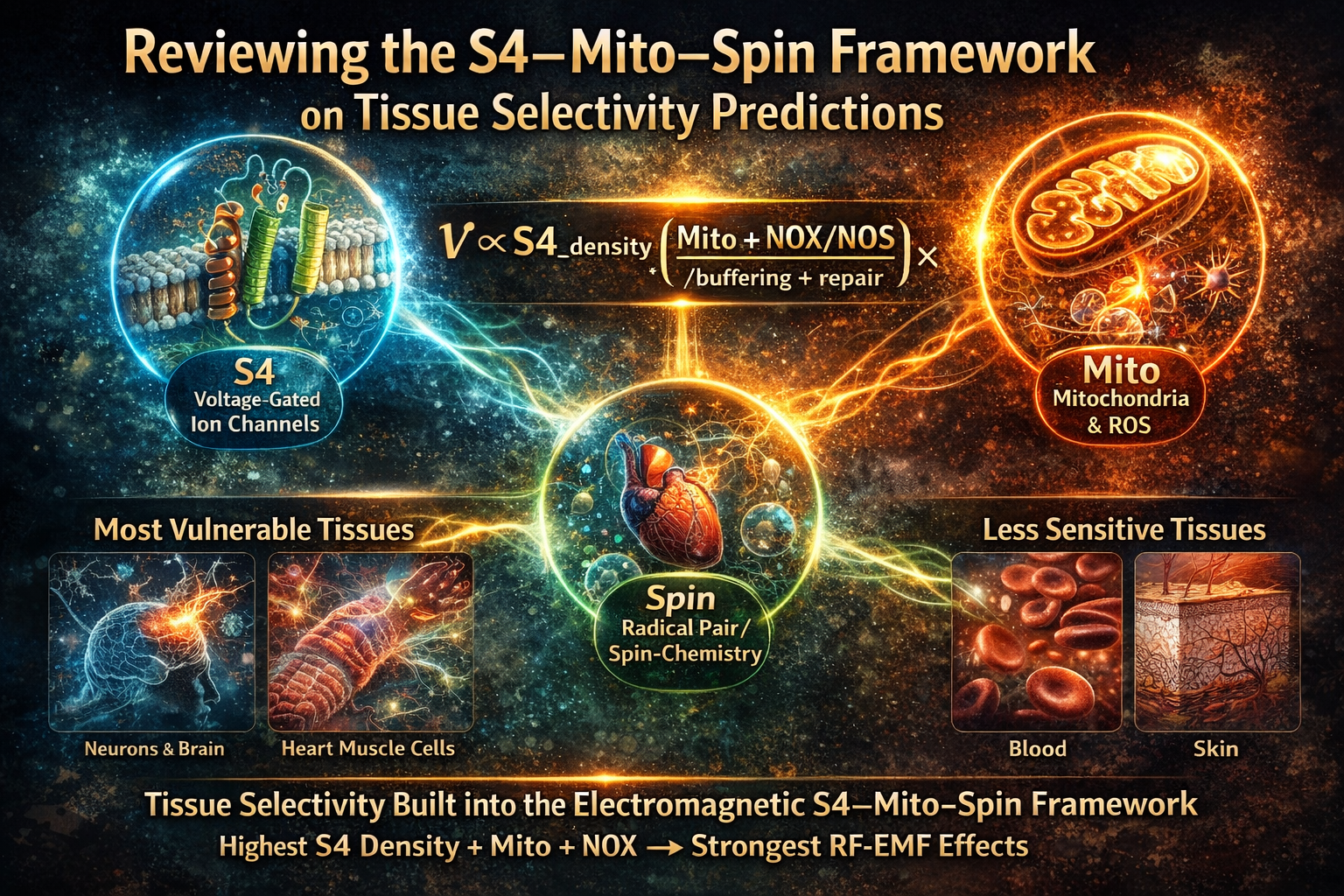
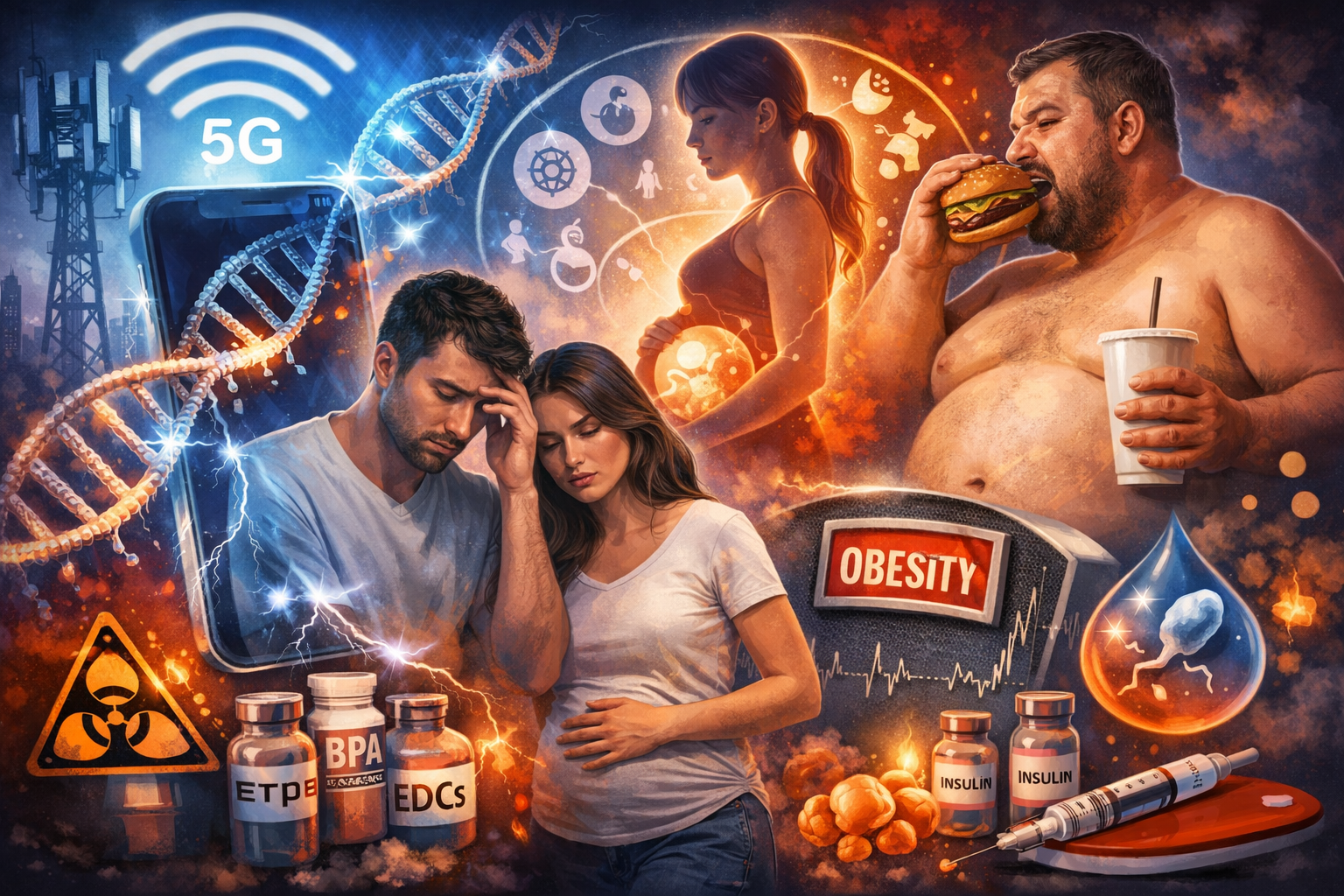
RF Safe has always been transparent about our advocacy roots. Founded in response to personal tragedy—my daughter’s death from an NTD potentially linked to prenatal cordless phone exposure—we’ve spent three decades synthesizing evidence on non-thermal RF effects. Our S4–Mito–Spin framework, for instance, integrates peer-reviewed data on voltage-gated ion channels, mitochondrial redox amplification, and electron spin chemistry to explain inconsistencies in RF research without cherry-picking. We’ve advocated for mechanistic studies, not alarmism, and our product sales are training tools, "Truth Case," while providing practical shielding solutions. If that’s a “conflict,” then every advocacy group from the Environmental Working Group to the American Cancer Society faces the same scrutiny.
Debunking the Cherry-Picking Myth: RF Safe’s Balanced Approach
One of the most egregious misrepresentations in MBFC’s critique is the accusation of “selective citation” and “one-sided interpretation of evidence.” This is false, and it reflects a failure to engage RF Safe’s actual body of work.
From day one, our analyses have incorporated the full literature—including null studies (those reporting no apparent effect)—not as inconveniences to be dismissed, but as boundary conditions that refine what the evidence actually says about non-thermal mechanisms.
RF Safe is arguably one of the only organizations in this space that consistently treats null studies as scientifically valuable: they help map when effects occur, when they do not, and why.
1) Nulls as Boundary Conditions in the S4–Mito–Spin Framework
Our S4–Mito–Spin model explicitly treats null findings as predictable outcomes based on variables such as exposure parameters (modulation, frequency, duration), biological state, and tissue-specific vulnerabilities.
Nulls are not “ignored”; they are used to define the edges of effect windows—where coupling fails, where mitochondrial amplification does not occur, or where tissue architecture is less susceptible to a given signal.
2) Critiquing Flaws Without Dismissal
When a null study has methodological weaknesses, we address them directly—not to discredit inconvenient data, but to improve the quality of research designs going forward.
That is standard scientific practice: analyzing selection bias, exposure misclassification, outdated definitions of “heavy use,” population exclusions (especially children), and inadequate exposure characterization.
3) Integrating Variability to Reject Over-Simplified Narratives
A central point RF Safe has made for decades is that non-thermal effects do not necessarily present as a simple linear dose-response curve. Biological responses can be:
-
Non-monotonic
-
Tissue-specific
-
Modulation-dependent
-
Timing- and developmental-stage-dependent
Null results are part of that picture. They do not invalidate non-thermal mechanisms; they help define the real-world conditions under which those mechanisms express.
In short: accusing RF Safe of cherry-picking is a lazy trope that sidesteps substantive engagement. Nulls are not enemies of our work—they are part of how we build a coherent model from heterogeneous results.
A Timeline of Vindication: January 8 to January 25, 2026
The speed of change in mid-January 2026 is staggering, highlighting how quickly “mainstream” positions can evolve when evidence and political will align.
-
January 8, 2026: MBFC publishes its rating, citing misalignment with FDA, CDC, and WHO as a key credibility flaw. At this point, the FDA’s website still featured safety-assurance messaging along the lines of “current scientific evidence does not support concerns about health risks from typical RF exposure.”
-
January 15–16, 2026: Under the direction of HHS Secretary Robert F. Kennedy Jr., the FDA removes those safety assurance webpages. This coincides with HHS announcing a comprehensive new study on electromagnetic radiation and health effects, explicitly including non-thermal mechanisms. No more blanket claims of safety—a tacit admission that the thermal-only paradigm lacks sufficient backing.
-
January 22, 2026: The U.S. completes its formal withdrawal from the WHO, a process initiated in 2025 under President Trump. Reasons cited include perceived industry influence, slow response to health threats, and failures in transparency—critiques that echo RF Safe’s long-standing concerns about institutional delay and capture.
-
Ongoing Context (WHO Reviews): WHO’s systematic review posture has moved toward stronger language on certain outcomes. RF Safe’s critique is not that recognition is “new,” but that it is decades late, after early signals were marginalized and delayed.
In less than three weeks, two of the three pillars MBFC leaned on shifted toward RF Safe’s warnings, while the third (CDC) remains subject to broader HHS scrutiny. If fact-checkers revisited their rating as of January 25, 2026, they would find their foundations outdated.
Historical Roots: Industry “Wargaming” and Regulatory Capture
To understand why these shifts matter, we must revisit the history of undue wireless industry influence—a story RF Safe has documented for decades.
In the 1990s, as cordless phones and early cell technology scaled, warning signals emerged:
-
Internal “wargaming” strategies aimed at minimizing the impact of adverse findings
-
Trade-group and industry-funded research ecosystems shaping what gets studied and how
-
Researchers reporting non-thermal effects facing career and funding pressures
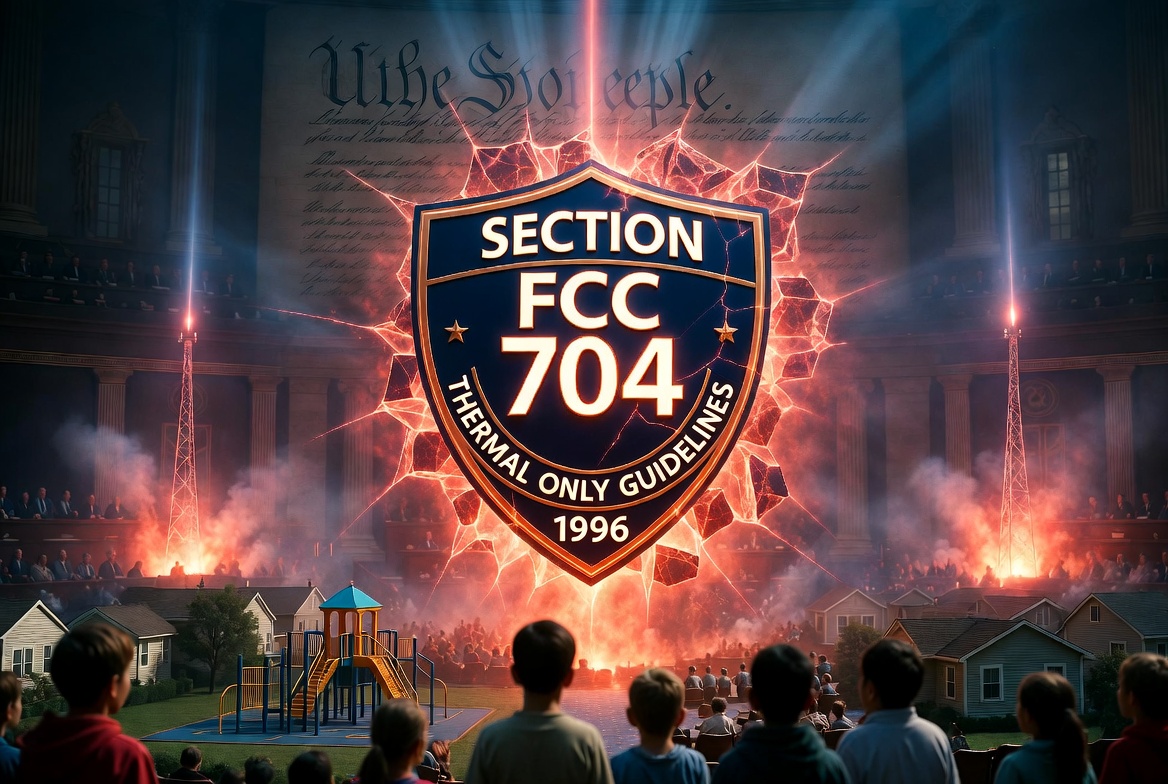
This culminated in structural preemption and institutional inertia: deployment accelerated, while safety policy remained largely frozen within a thermal-only framework.
Fast-forward:
-
The NTP’s findings of carcinogenic signals in animal research
-
The 2021 D.C. Circuit decision remanding FCC review of non-thermal evidence and children’s vulnerability
-
Continued regulatory delay despite growing mechanistic literature and exposure realities
These patterns are not speculative. They are the predictable signature of regulatory capture: diffuse public health costs, concentrated private gains.
Regulatory Failures and the Non-Thermal Reality
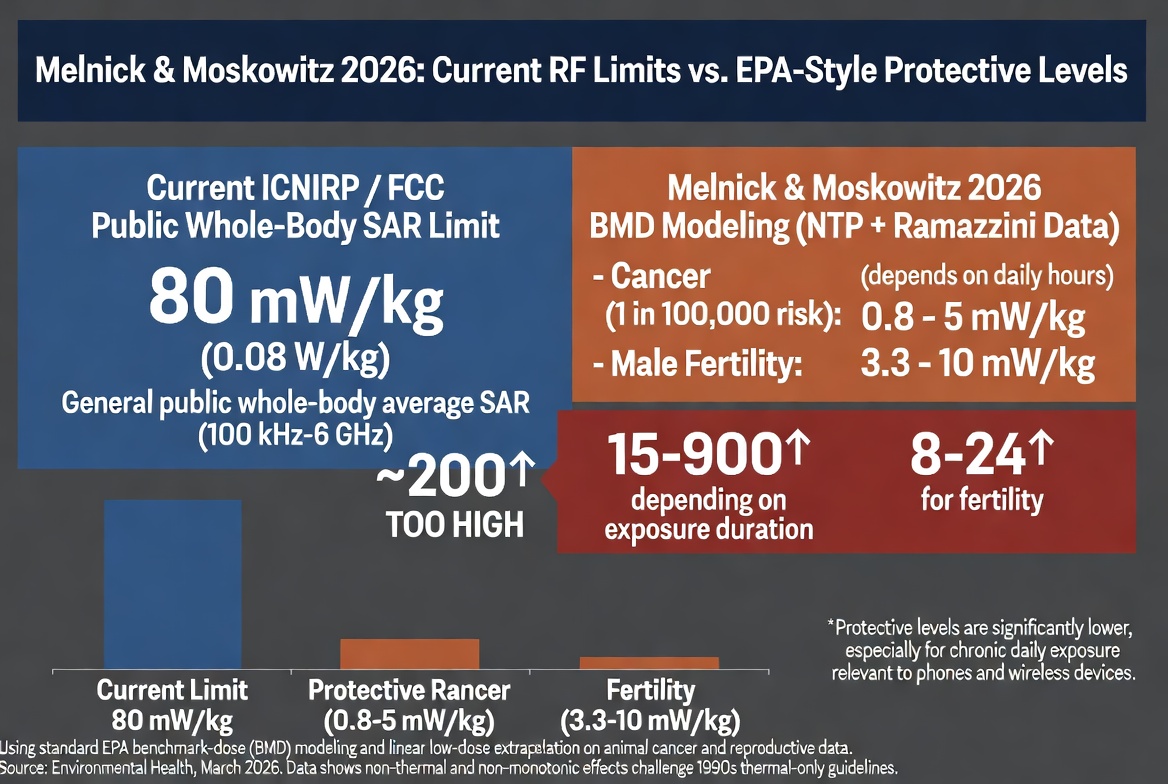
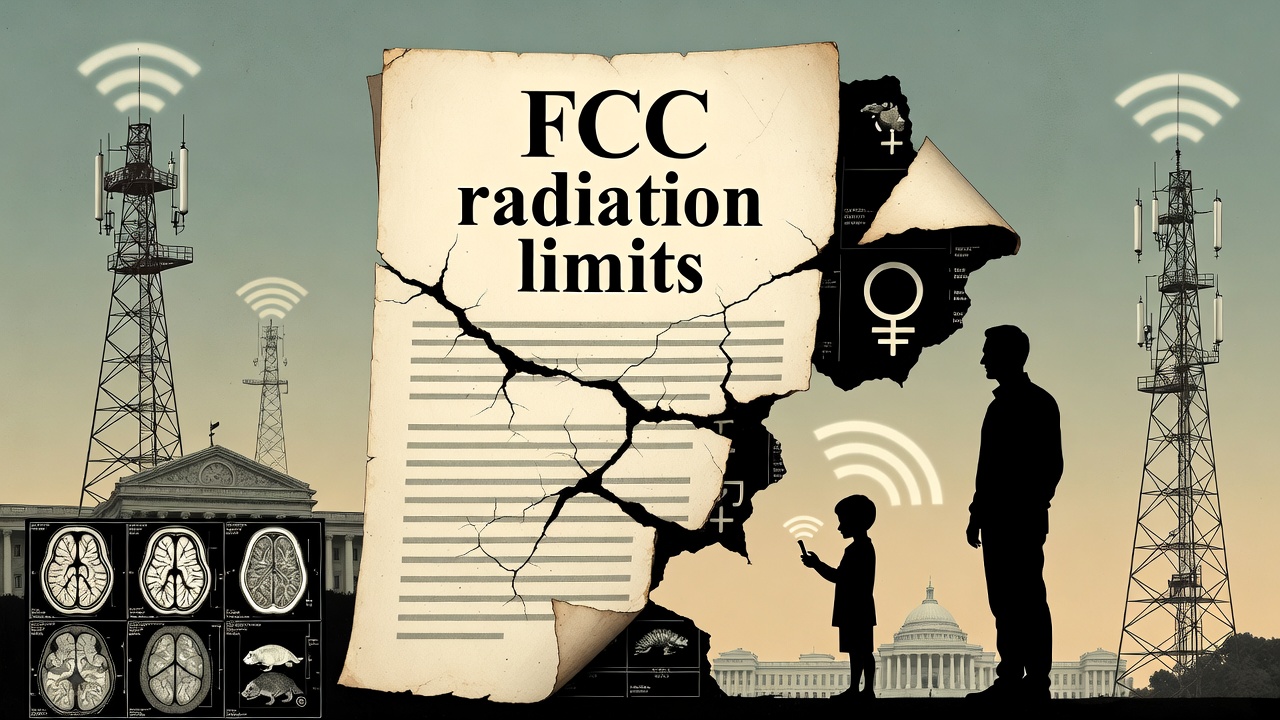
At its core, RF Safe’s “credibility issue” (as framed by critics) stems from one insistence: thermal-only safety guidelines are inadequate.
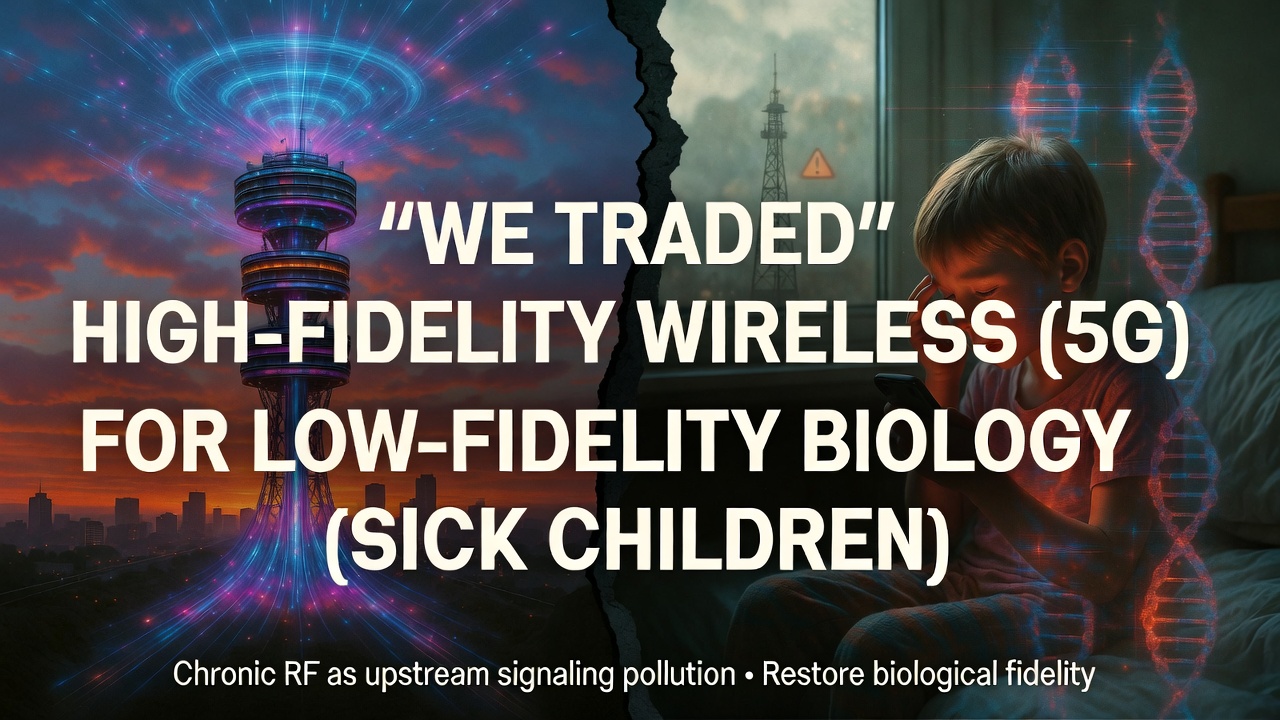
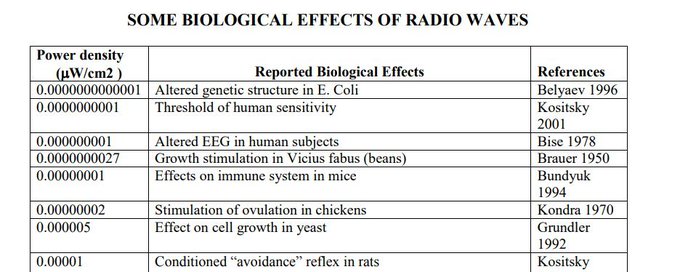
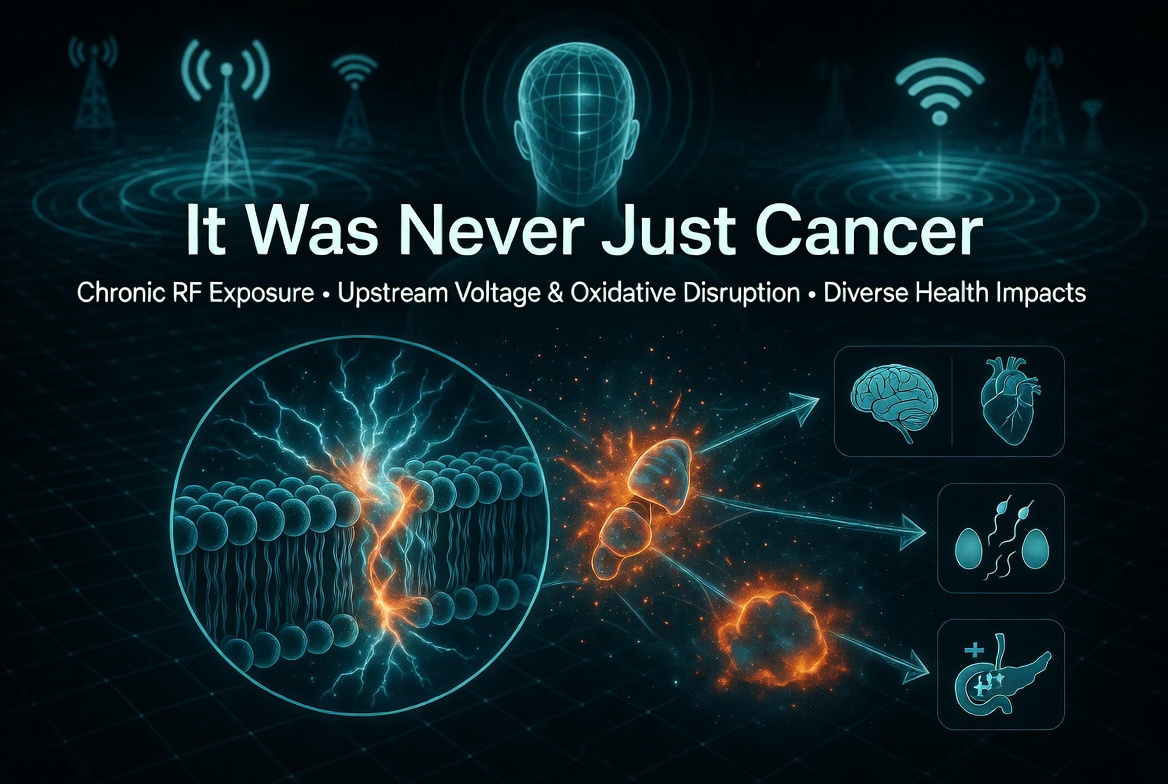
Non-thermal effects—ion channel disruptions, mitochondrial oxidative stress pathways, and spin-dependent radical pair mechanisms—offer coherent models for how biological systems can respond to RF-EMF without measurable heating.
No serious scientific standard should demand that harm be proven only through temperature rise when there are plausible mechanisms and empirical signals that operate outside that constraint.
Now, with FDA messaging removed and HHS initiating inquiry explicitly inclusive of non-thermal mechanisms, the thermal-only paradigm is under renewed institutional pressure.
Conclusion: RF Safe’s Credibility Stands Tall—Fact-Checkers, Not So Much
RF Safe’s positions are not radical; they are consistent and evidence-oriented. January 2026’s developments moved the center of gravity toward what we have said for decades:
-
Institutional assurances can be political artifacts, not scientific endpoints.
-
Safety policy cannot remain frozen in a thermal-only model while exposure conditions evolve.
-
Fact-checkers who outsource truth to “mainstream institutions” without interrogating the evidence timeline will fail—especially when those institutions reverse or retreat.
This is not about gloating. It is about accountability. The public deserves protection from non-thermal risks—not outdated denials.
We’ve been warning about this for 30 years. Now the world is catching up.